10 Best Celestron Nexstar 8se Of 2026
Celestron Nexstar 8se — Reviews, Recommendations & Updated Buying Guide November 2026


Celestron 11069 NexStar 8SE Computerised Schmidt-Cassegrain
Why We Love It


Celestron NexStar 6SE Schmidt-Cassegrain Telescope
Why We Love It

Celestron 22097 NexStar 127SLT-Mak Portable Computerised
Why We Love It

Celestron 11049 NexStar 4SE Computerised Maksutov-Cassegrain
Why We Love It
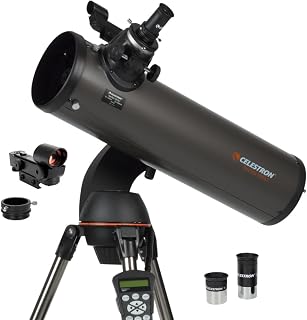
Celestron NexStar 130SLT Computerized Telescope
Why We Love It

Celestron 94303 Accessory Kit
Why We Love It
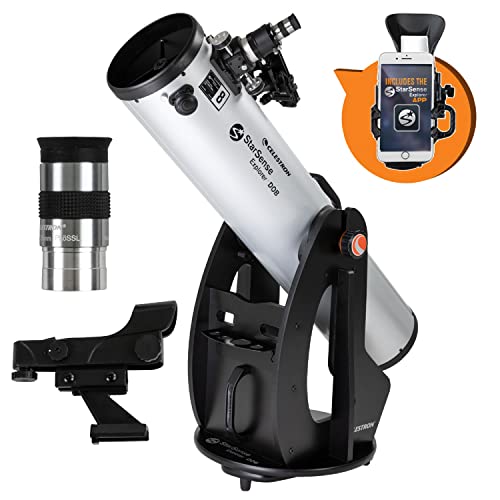
Celestron StarSense Explorer 8" Dobsonian Telescope with
Why We Love It
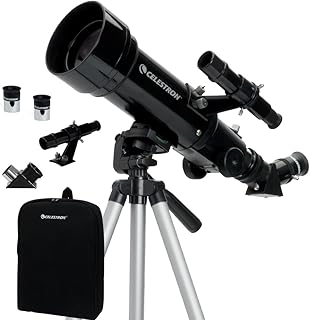
Celestron Travel Scope 70 Portable Refractor Telescope
Why We Love It

Celestron 21037 Power Seeker Telescope
Why We Love It

Celestron NexStar+ Hand Control USB with AZ
Why We Love It
Quick Pick
10 Best Celestron Nexstar 8se Of 2026
Quick Pick
Celestron 11069 NexStar 8SE Computerised Schmidt-Cassegrain Telescope with Fully Automated Mount, SkyAlign Technology and XLT Coating, Black/ Orange
Celestron NexStar 6SE Schmidt-Cassegrain Telescope – Computerized | Fully computerized GoTo mount automatically locates and tracks celestial objects
Celestron 22097 NexStar 127SLT-Mak Portable Computerised Maksutov-Cassegrain Telescope, Grey
Celestron 11049 NexStar 4SE Computerised Maksutov-Cassegrain Telescope with Fully Automated Mount, SkyAlign Technology and XLT Coating, Black/ Orange
Celestron NexStar 130SLT Computerized Telescope - Compact and Portable - Newtonian Reflector Optical Design - SkyAlign Technology - Computerized Hand Control - 130mm Aperture
Celestron 94303 Accessory Kit
Celestron StarSense Explorer 8" Dobsonian Telescope with Smartphone App
Celestron Travel Scope 70 Portable Refractor Telescope – 70mm Aperture, Fully-Coated Glass Optics – Includes Tripod, Backpack & Software – Ideal for Beginners & Travel
Celestron 21037 Power Seeker Telescope, Refractor, Black
Celestron NexStar+ Hand Control USB with AZ, Black (93981)
Buying Guide: Celestron Nexstar 8se
📋 Table of Contents
1What aperture size do I need for stargazing or planetary viewing?
For stargazing and deep-sky objects, aim for at least 70mm aperture on a refractor or 114mm on a reflector. For planetary details, 130mm or more is better, as larger apertures gather more light and offer higher resolution.
2Should I choose a refractor, reflector, or compound telescope?
Refractors are low-maintenance and great for planetary views; reflectors offer more aperture for the price and suit deep-sky objects; compound telescopes (like Schmidt-Cassegrains) are compact and versatile but more expensive.
3What magnification is realistic for a telescope?
Maximum useful magnification is typically 50-60x per inch of aperture. A 70mm telescope rarely exceeds 300x, while a 150mm model can reach 900x. Higher magnification often reduces image quality in poor conditions.
4Do I need a GoTo mount or can I use manual tracking?
Manual mounts (alt-az or equatorial) are ideal for beginners and casual use, while GoTo mounts automatically locate objects and are better for deep-sky or astrophotography. Consider your patience and setup time before choosing.
5What accessories are essential for a first-time buyer?
Start with 2-3 eyepieces (25mm and 10mm for general use), a red-dot finder for easier aiming, and a sturdy tripod. A Barlow lens doubles magnification, and a moon filter reduces glare for lunar viewing.
How we choose
Our editors are people who genuinely love testing and writing about products. We compare each product's real-world usability and strengths, then distill what matters most into our own "Why We Love It" points — so you get an honest, at-a-glance sense of what counts before you buy.