10 Best Celestron Nexstar 6se Of 2026
Celestron Nexstar 6se — Reviews, Recommendations & Updated Buying Guide November 2026


Celestron NexStar 6SE Schmidt-Cassegrain Telescope
Why We Love It


Celestron 11069 NexStar 8SE Computerised Schmidt-Cassegrain
Why We Love It
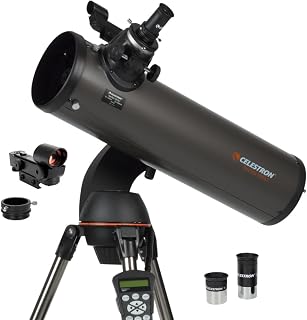
Celestron NexStar 130SLT Computerized Telescope
Why We Love It

Celestron 22097 NexStar 127SLT-Mak Portable Computerised
Why We Love It

Celestron 11049 NexStar 4SE Computerised Maksutov-Cassegrain
Why We Love It

Case Club Waterproof Case Fits Celestron NexStar 6SE
Why We Love It

Celestron 22452 StarSense Explore LT114AZ Newtonian
Why We Love It

Celestron NexStar 6" Star Location Telescope
Why We Love It

Celestron NexStar 5 SLT Cassegrain Computerised Telescope
Why We Love It

Celestron 22480 StarSense Explorer 114mm Tabletop Dobsonian
Why We Love It
Quick Pick
10 Best Celestron Nexstar 6se Of 2026
Quick Pick
Celestron NexStar 6SE Schmidt-Cassegrain Telescope – Computerized | Fully computerized GoTo mount automatically locates and tracks celestial objects
Celestron 11069 NexStar 8SE Computerised Schmidt-Cassegrain Telescope with Fully Automated Mount, SkyAlign Technology and XLT Coating, Black/ Orange
Celestron NexStar 130SLT Computerized Telescope - Compact and Portable - Newtonian Reflector Optical Design - SkyAlign Technology - Computerized Hand Control - 130mm Aperture
Celestron 22097 NexStar 127SLT-Mak Portable Computerised Maksutov-Cassegrain Telescope, Grey
Celestron 11049 NexStar 4SE Computerised Maksutov-Cassegrain Telescope with Fully Automated Mount, SkyAlign Technology and XLT Coating, Black/ Orange
Case Club Waterproof Case Fits Celestron NexStar 6SE Telescope
Celestron 22452 StarSense Explore LT114AZ Newtonian Reflector Telescope, Smartphone App-enabled, includes Two Eyepieces, 2xBarlow lens, Phone Dock/Height-adjustable Tripod, iOS/Android Compatible
Celestron NexStar 6" Star Location Telescope
Celestron NexStar 5 SLT Cassegrain Computerised Telescope, Black
Celestron 22480 StarSense Explorer 114mm Tabletop Dobsonian Smartphone App-Enabled Telescope Works with StarSense App to Help You Find Nebulae, Planets & More – iOS/Android Compatible
Buying Guide: Celestron Nexstar 6se
📋 Table of Contents
1What aperture size do I need for stargazing or planetary viewing?
For stargazing and deep-sky objects, aim for at least 70mm aperture on refractors or 114mm on reflectors. For planetary details, 150mm or more is ideal. Larger apertures gather more light, but balance with portability and cost.
2Should I choose a refractor, reflector, or compound telescope?
Refractors offer sharp images and low maintenance, good for planets. Reflectors provide more aperture for the price, ideal for deep-sky. Compound telescopes (like Schmidt-Cassegrains) are compact and versatile but more expensive and complex to use.
3What magnification is realistic for my telescope?
Maximum useful magnification is typically 50-60x per inch of aperture. A 70mm telescope rarely exceeds 350x. Higher magnification often reduces image quality, so look for a range of eyepieces to optimize clarity and field of view.
4Do I need a GoTo mount or can I use a manual one?
Manual mounts (alt-az or equatorial) are great for beginners and offer a learning experience. GoTo mounts automatically locate objects and are better for deep-sky viewing, but require setup time and batteries. Choose based on your interest in automation versus hands-on use.
5What accessories are essential for a first-time buyer?
Start with a 25mm and a 10mm eyepiece for versatile magnification, a red-dot finder for easy aiming, and a sturdy tripod. A Barlow lens doubles magnification, and a moon filter reduces glare. Avoid overloading with extras you won’t use regularly.
How we choose
Our editors are people who genuinely love testing and writing about products. We compare each product's real-world usability and strengths, then distill what matters most into our own "Why We Love It" points — so you get an honest, at-a-glance sense of what counts before you buy.