10 Best Cardioid Podcast Microphones For Streaming Of 2026
Cardioid Podcast Microphones For Streaming — Reviews, Recommendations & Updated Buying Guide November 2026


FIFINE AmpliGame AM8TW Gaming XLR/USB Microphone Kit
Why We Love It


Shure SV100, Cardioid Dynamic Handheld Vocal Microphone
Why We Love It
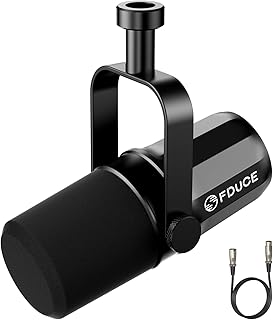
FDUCE SL40X XLR Dynamic Microphone for Vocal Recording
Why We Love It

Shure SM58SE, Cardioid Dynamic Vocal Microphone with Switch
Why We Love It

FIFINE K688 Podcast Microphone Kit
Why We Love It

SINWE Podcast Equipment Bundle
Why We Love It

UGREEN USB Condenser Gaming Microphone for Streaming and
Why We Love It

Onikuma M930 RGB USB Condenser Gaming Microphone for PC
Why We Love It

FIFINE Studio XLR Dynamic Microphone
Why We Love It

NEEWER DM01 Cardioid Dynamic Microphone with XLR Cable for
Why We Love It
Quick Pick
10 Best Cardioid Podcast Microphones For Streaming Of 2026
Quick Pick
FIFINE AmpliGame AM8TW Gaming XLR/USB Microphone Kit Streaming Dynamic Mic | Computer Mic with Controllable RGB, Headphones Jack, Gain Knob, Arm Stand, for Vocal Podcast Recording Voiceover, White
Shure SV100, Cardioid Dynamic Handheld Vocal Microphone | Wide Frequency Response, Versatile, For Podcast & Live Streaming, Black
FDUCE SL40X XLR Dynamic Microphone for Vocal Recording, Podcasting, Gaming, Live Streaming&Broadcasting, All Metal Cardioid Mic, Voice-Isolating Technology -Black
Shure SM58SE, Cardioid Dynamic Vocal Microphone with Switch, Studio Quality Voice Recording, For Live Singing, PC Streaming & Podcast
FIFINE K688 Podcast Microphone Kit, USB/XLR Dynamic Microphone with Boom Arm for PC/XLR Mixer, Gaming Mic with Mute Button, Headphone Jack for Vocal, Voice-Over, Streaming, Music Recording -K688CT
SINWE Podcast Equipment Bundle, Condenser Microphone with Tripod Stand and Professional Audio Mixer for Studio Recording Vocals, Voice Overs, Streaming Broadcast and YouTube Videos
UGREEN USB Condenser Gaming Microphone for Streaming and Voice Chat | 24-bit/96kHz Audio, Quick Mute and Zero-Latency Monitoring; Includes Pop Filter, Shock Mount and 7 RGB Modes for PC and PS5
Onikuma M930 RGB USB Condenser Gaming Microphone for PC, Streaming, Podcast
FIFINE Studio XLR Dynamic Microphone, USB PC Podcast Microphone for Streaming Recording, XLR/USB Vocal Mic with Tap-to-Mute, Gain Knob, Headphones Monitoring-Amplitank K688 White
NEEWER DM01 Cardioid Dynamic Microphone with XLR Cable for Podcast Singing PC Gaming Streaming Studio Vocals, Speeches, Live Performances, 600Ω +/- 30% Impedance, 100Hz-10KHz Frequency Range
Buying Guide: Cardioid Podcast Microphones For Streaming
📋 Table of Contents
1What sensitivity level is best for clear voice capture?
Look for a sensitivity range of -30 to -45 dBV/Pa for most streaming setups. Higher sensitivity (closer to 0 dB) captures quieter voices well, while lower sensitivity handles louder environments without distortion, so match it to your room's acoustics and speaking style.
2Should I prioritize USB or XLR connectivity?
USB mics are plug-and-play and ideal for beginners or solo streamers, while XLR mics require an audio interface but offer better sound quality and flexibility for multi-mic setups or professional-grade streaming. Choose based on your gear and audio goals.
3How does polar pattern affect my recordings?
A cardioid pattern focuses on your voice and rejects side and rear noise, making it perfect for solo streaming in a quiet room. Avoid omnidirectional mics if background noise is a concern, as they pick up sound from all directions.
4What frequency response range is ideal for voice?
Aim for a range of 50–16,000 Hz to capture full vocal clarity and natural tone. Mics with a slight boost in 2–5 kHz enhance speech intelligibility, while those with a flat response are better for post-production editing and mixing.
5Are shock mounts and pop filters worth buying separately?
Yes — a shock mount reduces handling noise and vibrations, while a pop filter softens plosive sounds like 'p' and 'b'. Many budget mics don’t include them, but they’re essential for clean, professional-sounding audio in a home streaming setup.
How we choose
Our editors are people who genuinely love testing and writing about products. We compare each product's real-world usability and strengths, then distill what matters most into our own "Why We Love It" points — so you get an honest, at-a-glance sense of what counts before you buy.