10 Best Cardioid Podcast Microphones For Recording Of 2026
Cardioid Podcast Microphones For Recording — Reviews, Recommendations & Updated Buying Guide November 2026

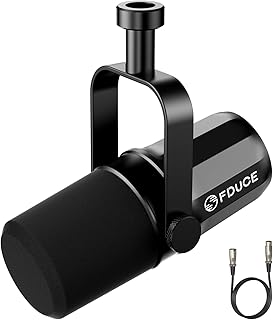
FDUCE SL40X XLR Dynamic Microphone for Vocal Recording
Why We Love It


Shure SV100, Cardioid Dynamic Handheld Vocal Microphone
Why We Love It

FIFINE AmpliGame AM8TW Gaming XLR/USB Microphone Kit
Why We Love It

Shure SM58-LC Cardioid Dynamic Vocal Microphone with
Why We Love It

Shure PGA48, Cardioid Dynamic Vocal Microphone
Why We Love It

UGREEN USB Condenser Gaming Microphone for Streaming and
Why We Love It

SINWE Podcast Equipment Bundle
Why We Love It

FIFINE K688 Podcast Microphone Kit
Why We Love It

FIFINE Studio XLR Dynamic Microphone
Why We Love It

Shure SM58SE, Cardioid Dynamic Vocal Microphone with Switch
Why We Love It
Quick Pick
10 Best Cardioid Podcast Microphones For Recording Of 2026
Quick Pick
FDUCE SL40X XLR Dynamic Microphone for Vocal Recording, Podcasting, Gaming, Live Streaming&Broadcasting, All Metal Cardioid Mic, Voice-Isolating Technology -Black
Shure SV100, Cardioid Dynamic Handheld Vocal Microphone | Wide Frequency Response, Versatile, For Podcast & Live Streaming, Black
FIFINE AmpliGame AM8TW Gaming XLR/USB Microphone Kit Streaming Dynamic Mic | Computer Mic with Controllable RGB, Headphones Jack, Gain Knob, Arm Stand, for Vocal Podcast Recording Voiceover, White
Shure SM58-LC Cardioid Dynamic Vocal Microphone with Pneumatic Shock Mount, Spherical Mesh Grille with Built-in Pop Filter, A25D Mic Clip, Storage Bag, 3-pin XLR Connector | Dynamic Cardioid Microphone for Studio and Live Performance, Podcast and Recording; Industry Standard Sound
Shure PGA48, Cardioid Dynamic Vocal Microphone, Voice Recording Studio, PC Gaming, Podcast & Live Streaming, Includes XLR to XLR Cable, Black
UGREEN USB Condenser Gaming Microphone for Streaming and Voice Chat | 24-bit/96kHz Audio, Quick Mute and Zero-Latency Monitoring; Includes Pop Filter, Shock Mount and 7 RGB Modes for PC and PS5
SINWE Podcast Equipment Bundle, Condenser Microphone with Tripod Stand and Professional Audio Mixer for Studio Recording Vocals, Voice Overs, Streaming Broadcast and YouTube Videos
FIFINE K688 Podcast Microphone Kit, USB/XLR Dynamic Microphone with Boom Arm for PC/XLR Mixer, Gaming Mic with Mute Button, Headphone Jack for Vocal, Voice-Over, Streaming, Music Recording -K688CT
FIFINE Studio XLR Dynamic Microphone, USB PC Podcast Microphone for Streaming Recording, XLR/USB Vocal Mic with Tap-to-Mute, Gain Knob, Headphones Monitoring-Amplitank K688 White
Shure SM58SE, Cardioid Dynamic Vocal Microphone with Switch, Studio Quality Voice Recording, For Live Singing, PC Streaming & Podcast
Buying Guide: Cardioid Podcast Microphones For Recording
📋 Table of Contents
1What sensitivity range is best for clear podcast audio?
Look for mics with sensitivity between -30dB and -45dB. Higher sensitivity (closer to 0) captures quieter voices well, while lower sensitivity (more negative) is better for louder sources to avoid distortion. Match it to your speaking volume and room acoustics.
2How important is a built-in pop filter for podcasting?
A built-in pop filter reduces plosive sounds like 'p' and 'b' without needing extra gear. While not a replacement for a proper external filter, it’s a convenient first step for beginners. For pro results, consider adding a separate one later.
3Should I prioritize USB or XLR connectivity for my setup?
USB mics are plug-and-play and ideal for solo podcasters or home studios with a computer. XLR mics require an audio interface but offer better sound quality and flexibility for multi-mic setups or professional environments. Choose based on your gear and long-term plans.
4What frequency response range is best for a natural voice tone?
Aim for a frequency range of 20Hz to 20kHz, with a slight boost in the 2-5kHz range to enhance vocal clarity. Avoid mics with overly narrow or exaggerated ranges, as they can make your voice sound unnatural or muffled in recordings.
5What accessories are essential for a cardioid mic setup?
A shock mount and mic stand are must-haves to reduce handling noise and position the mic correctly. A reflection filter or acoustic panel helps control room echo. A windscreen is also useful if you record in a drafty or noisy space.
How we choose
Our editors are people who genuinely love testing and writing about products. We compare each product's real-world usability and strengths, then distill what matters most into our own "Why We Love It" points — so you get an honest, at-a-glance sense of what counts before you buy.