10 Best Cardioid Podcast Microphones Of 2026
Cardioid Podcast Microphones — Reviews, Recommendations & Updated Buying Guide November 2026


Shure SV100, Cardioid Dynamic Handheld Vocal Microphone
Why We Love It


MAONO A04 USB Microphone
Why We Love It

Shure SM58SE, Cardioid Dynamic Vocal Microphone with Switch
Why We Love It

NEEWER DM01 Cardioid Dynamic Microphone with XLR Cable for
Why We Love It

Shure PGA48, Cardioid Dynamic Vocal Microphone
Why We Love It

Shure SM58-LC Cardioid Dynamic Vocal Microphone with
Why We Love It

UGREEN USB Condenser Gaming Microphone for Streaming and
Why We Love It

FIFINE Studio XLR Dynamic Microphone
Why We Love It
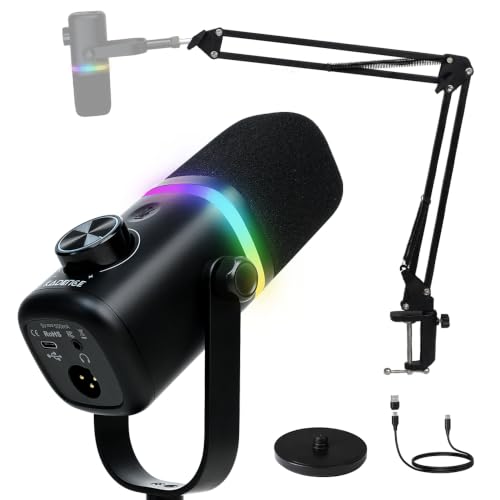
Kadence K777 Home Series Type-C Condenser Mic with Boom Arm
Why We Love It

Sennheiser Profile USB Microphone with Table Stand
Why We Love It
Quick Pick
10 Best Cardioid Podcast Microphones Of 2026
Quick Pick
Shure SV100, Cardioid Dynamic Handheld Vocal Microphone | Wide Frequency Response, Versatile, For Podcast & Live Streaming, Black
MAONO A04 USB Microphone, 192kHz/24Bit Condenser Mic Kit for PC Podcast
Shure SM58SE, Cardioid Dynamic Vocal Microphone with Switch, Studio Quality Voice Recording, For Live Singing, PC Streaming & Podcast
NEEWER DM01 Cardioid Dynamic Microphone with XLR Cable for Podcast Singing PC Gaming Streaming Studio Vocals, Speeches, Live Performances, 600Ω +/- 30% Impedance, 100Hz-10KHz Frequency Range
Shure PGA48, Cardioid Dynamic Vocal Microphone, Voice Recording Studio, PC Gaming, Podcast & Live Streaming, Includes XLR to XLR Cable, Black
Shure SM58-LC Cardioid Dynamic Vocal Microphone with Pneumatic Shock Mount, Spherical Mesh Grille with Built-in Pop Filter, A25D Mic Clip, Storage Bag, 3-pin XLR Connector | Dynamic Cardioid Microphone for Studio and Live Performance, Podcast and Recording; Industry Standard Sound
UGREEN USB Condenser Gaming Microphone for Streaming and Voice Chat | 24-bit/96kHz Audio, Quick Mute and Zero-Latency Monitoring; Includes Pop Filter, Shock Mount and 7 RGB Modes for PC and PS5
FIFINE Studio XLR Dynamic Microphone, USB PC Podcast Microphone for Streaming Recording, XLR/USB Vocal Mic with Tap-to-Mute, Gain Knob, Headphones Monitoring-Amplitank K688 White
Kadence K777 Home Series Type-C Condenser Mic with Boom Arm Stand | Cardioid Microphone with Volume Control & RGB Light | Desktop Stand & Boom Arm Clamp Included | Plug & Play | Black
Sennheiser Profile USB Microphone with Table Stand | Plug & Play Design, for Podcasting & Streaming | Cardioid Condenser Capsule | 1.2m USB-C Cable Included | Black (700065)
Buying Guide: Cardioid Podcast Microphones
📋 Table of Contents
1What sensitivity level is best for a cardioid podcast microphone?
Look for a sensitivity range of -30 to -45 dBV/Pa for clear, balanced audio in most home studio setups. Higher sensitivity captures quieter voices well, while lower sensitivity helps avoid distortion from loud sounds or sudden plosives.
2Should I prioritize USB or XLR connectivity for podcasting?
USB mics are plug-and-play and ideal for beginners or solo podcasters, while XLR mics offer better sound quality and flexibility with external mixers or audio interfaces. Choose based on your setup and long-term audio goals.
3How important is a built-in pop filter or shock mount?
A built-in pop filter reduces harsh plosives, and a shock mount minimizes handling noise — both are essential for clean, professional-sounding recordings. External options are also worth considering for higher-end setups.
4What frequency response range should I look for in a cardioid mic?
Aim for a range of 20Hz to 20kHz, with a slight boost in the 2-5kHz range for clearer vocal presence. This ensures your voice sounds natural and intelligible without sounding flat or overly bright.
5Is a cardioid pattern enough for all podcasting scenarios?
Yes, cardioid mics are ideal for single-speaker setups as they focus on the sound source and reject background noise. For multi-person setups or noisy environments, consider a mic with a switchable polar pattern for added flexibility.
How we choose
Our editors are people who genuinely love testing and writing about products. We compare each product's real-world usability and strengths, then distill what matters most into our own "Why We Love It" points — so you get an honest, at-a-glance sense of what counts before you buy.