10 Best Cardioid Instrument Microphones Of 2026
Cardioid Instrument Microphones — Reviews, Recommendations & Updated Buying Guide November 2026


Shure SM57, Dynamic Instrument Microphone
Why We Love It


Audio-Technica 2020 Cardioid Condenser Microphone Black
Why We Love It

WEYMIC wm57 Dynamic Vocal Classic Style Microphone Audio
Why We Love It

Shure SM58SE, Cardioid Dynamic Vocal Microphone with Switch
Why We Love It
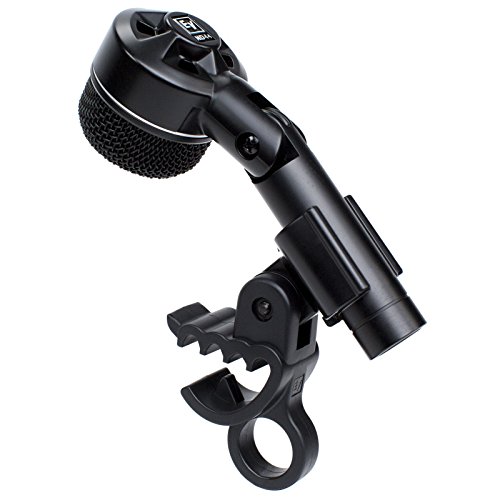
Electro-Voice ND44 Dynamic Tight Cardioid Instrument
Why We Love It

PreSonus M7 Cardioid Condenser Microphone
Why We Love It

SE ELECTRONICS V7 Dynamic Microphone for Singing
Why We Love It

Neewer Cardioid Dynamic Microphone with XLR Male to XLR
Why We Love It

Samson C01 Large-Diaphragm Cardioid Condenser Microphone
Why We Love It

Shure SM81-LC Cardioid Condenser Instrument Microphone
Why We Love It
Quick Pick
10 Best Cardioid Instrument Microphones Of 2026
Quick Pick
Shure SM57, Dynamic Instrument Microphone, Cardioid, Studio Ready, For Live Instrument Performance & Professional Audio Recording, Black
Audio-Technica 2020 Cardioid Condenser Microphone Black
WEYMIC wm57 Dynamic Vocal Classic Style Microphone Audio Instrument Classic Professional Dynamic Cardioid Unidirectional - for Instruments, Drums, Percussion, Vocals(not Include Cable)
Shure SM58SE, Cardioid Dynamic Vocal Microphone with Switch, Studio Quality Voice Recording, For Live Singing, PC Streaming & Podcast
Electro-Voice ND44 Dynamic Tight Cardioid Instrument Microphone
PreSonus M7 Cardioid Condenser Microphone
SE ELECTRONICS V7 Dynamic Microphone for Singing, Speech & Studio Recording - XLR Handheld Professional Microphone with Supercardioid Aluminum Voice Coil for Huge Gain Before Feedback - Grey
Neewer Cardioid Dynamic Microphone with XLR Male to XLR Female Cable, Rigid Metal Construction for Professional Pickup of Musical Instruments, Voice, Broadcasting, Speech, Black (NW-040)
Samson C01 Large-Diaphragm Cardioid Condenser Microphone, Wired
Shure SM81-LC Cardioid Condenser Instrument Microphone
Buying Guide: Cardioid Instrument Microphones
📋 Table of Contents
1What frequency response range is best for my instrument?
Look for 50-15,000Hz for most instruments, as it captures full-bodied lows and clear highs. For acoustic guitars or vocals, a flatter 80-12,000Hz range preserves natural tone, while a boosted 8-12kHz range can add airiness to strings or cymbals.
2How does polar pattern affect my recording setup?
A cardioid pattern picks up sound mainly from the front and rejects side and rear noise, making it ideal for live or home recording. For quieter environments, a supercardioid offers tighter focus, but may require more precise positioning to avoid off-axis coloration.
3What sensitivity level should I prioritize for my setup?
Choose a mic with 1.5-3 mV/Pa sensitivity for most instruments — it balances detail and noise control. Higher sensitivity (4-6 mV/Pa) is better for quiet sources like acoustic piano, while lower sensitivity mics work well for loud instruments like electric guitars with active pickups.
4Is a condenser or dynamic capsule better for my instrument?
Condenser mics offer detailed, accurate sound and are ideal for capturing subtle nuances in acoustic instruments. Dynamic mics are more durable and better for loud sources like electric guitars or brass. For a single mic, a condenser with a cardioid pattern is versatile for most studio use.
5What accessories are essential for optimal performance?
A shock mount reduces handling noise and vibrations, while a pop filter helps control plosives for vocal or breathy instruments. A sturdy mic stand or boom arm allows precise positioning, and a windscreen is crucial for outdoor or ambient recordings to avoid wind noise.
How we choose
Our editors are people who genuinely love testing and writing about products. We compare each product's real-world usability and strengths, then distill what matters most into our own "Why We Love It" points — so you get an honest, at-a-glance sense of what counts before you buy.