10 Best Cardioid Condenser Microphones Of 2026
Cardioid Condenser Microphones — Reviews, Recommendations & Updated Buying Guide November 2026


Audio-Technica 2020 Cardioid Condenser Microphone Black
Why We Love It


Cardioid Condenser Microphone
Why We Love It

Samson C01 Large-Diaphragm Cardioid Condenser Microphone
Why We Love It

PreSonus M7 Cardioid Condenser Microphone
Why We Love It

RØDE NT1 Signature Series Large-Diaphragm Condenser
Why We Love It

Shure PGA31, Headset Condenser Microphone
Why We Love It

Audio-Technica 2020GM Cardioid Condenser Microphone Silver
Why We Love It
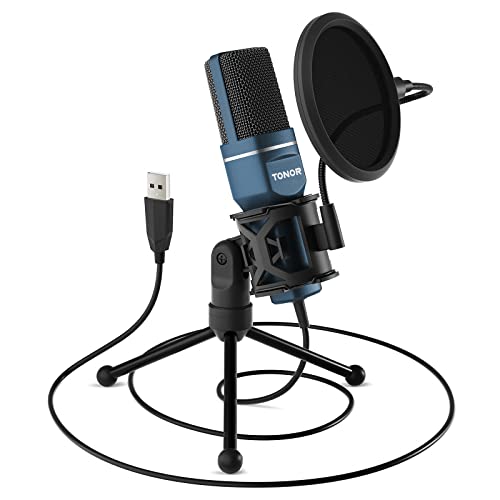
TONOR USB Cardioid Condenser Microphone for PC Microphone
Why We Love It

Audio-Technica 20 Series AT2035 Condenser Studio Microphone
Why We Love It

Sennheiser Profile USB Microphone with Table Stand
Why We Love It
Quick Pick
10 Best Cardioid Condenser Microphones Of 2026
Quick Pick
Audio-Technica 2020 Cardioid Condenser Microphone Black
Cardioid Condenser Microphone
Samson C01 Large-Diaphragm Cardioid Condenser Microphone, Wired
PreSonus M7 Cardioid Condenser Microphone
RØDE NT1 Signature Series Large-Diaphragm Condenser Microphone, Shock Mount, Pop Filter, XLR Cable, for Music Production, Vocal Recording, Streaming & Podcasting | Shock Mount, Pop Filter and XLR Cable for Music Production, Vocal Recording, Streaming and Podcasting (Black)
Shure PGA31, Headset Condenser Microphone, Comfortable & Hands-Free, Wireless, Versatile, For Public Speaking, Events & Fitness, Black
Audio-Technica 2020GM Cardioid Condenser Microphone Silver
TONOR USB Cardioid Condenser Microphone for PC Microphone with Tripod and Anti-Pop Filter for Voice Recording and Musical, Podcasting, Streaming, Gaming for Windows Laptop
Audio-Technica 20 Series AT2035 Condenser Studio Microphone, Cardioid, Black
Sennheiser Profile USB Microphone with Table Stand | Plug & Play Design, for Podcasting & Streaming | Cardioid Condenser Capsule | 1.2m USB-C Cable Included | Black (700065)
Buying Guide: Cardioid Condenser Microphones
📋 Table of Contents
1What frequency response range is best for my needs?
Look for 20Hz–20kHz for full-range audio, but 40Hz–16kHz is common in budget models. A flatter response (±3dB) ensures accurate sound, while a boosted high end (±5–6dB at 10–12kHz) adds vocal clarity and presence.
2How does polar pattern affect my recording environment?
Cardioid mics reject sound from the sides and rear, making them ideal for single-source recordings in less-than-ideal spaces. Avoid using them in noisy or echo-heavy rooms without acoustic treatment or a pop filter.
3What preamp or interface do I need to use it effectively?
Most cardioid condensers require 48V phantom power, so ensure your mixer or audio interface provides this. A clean, low-noise preamp is essential to avoid hiss, especially when recording quiet sources like acoustic guitar or vocals.
4Is a shock mount or pop filter worth the extra cost?
Yes — a shock mount reduces handling noise and vibrations, while a pop filter tames plosives in vocal recordings. These accessories improve sound quality and are especially important for home studio setups or voiceover work.
5How do I choose between a large-diaphragm and small-diaphragm cardioid condenser?
Large-diaphragm mics (16–20mm) offer warmer, fuller sound and are great for vocals and close-miked instruments. Small-diaphragm mics (6–10mm) are more accurate and ideal for overheads, acoustic guitars, and ambient recordings where detail matters most.
How we choose
Our editors are people who genuinely love testing and writing about products. We compare each product's real-world usability and strengths, then distill what matters most into our own "Why We Love It" points — so you get an honest, at-a-glance sense of what counts before you buy.