10 Best Carbon Steel Drawknives Of 2026
Carbon Steel Drawknives — Reviews, Recommendations & Updated Buying Guide November 2026


Wiltshire Staysharp Triple Rivet Utility Knife
Why We Love It

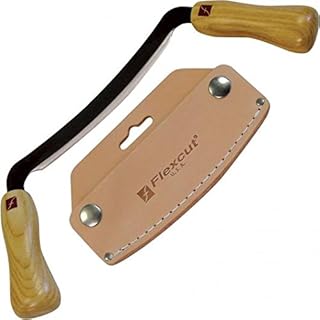
Flexcut 5 Draw Knife
Why We Love It

Wiltshire Staysharp Santoku Knife 15cm
Why We Love It

8 Inch Draw Knife
Why We Love It

Odorkle Woodworking Drawknife
Why We Love It
Mingzhe 8 Inch Debarking Tool
Why We Love It
Mingzhe Straight Drawknife for Woodworking
Why We Love It
YDuupxe Woodworking Drawknife
Why We Love It
Cryfokt Woodworking Drawknife, 8 Inch Debarking Tool
Why We Love It
Fafeicy Woodworking Drawknife
Why We Love It
Quick Pick
10 Best Carbon Steel Drawknives Of 2026
Quick Pick
Wiltshire Staysharp Triple Rivet Utility Knife, 13cm, Patented 2 Stage, Self-Sharpening System for Improved Cutting Performance, Slim Design Scabbard, Dimensions: 25x4x2cm, Colour: Black, Green
Flexcut 5 Draw Knife
Wiltshire Staysharp Santoku Knife 15cm, Built in Sharpener
8 Inch Draw Knife – Curved Draw Shave Tool for Wood Debarking, Manganese Steel Bark Peeler with Wooden Handle, Woodworking Hand Tool for Logs, Fence Posts, Firewood – 30° Bevel, Black
Odorkle Woodworking Drawknife, Carbon Steel Bark Removal Tool with
Mingzhe 8 Inch Debarking Tool, Dual Handle Drawknife
Mingzhe Straight Drawknife for Woodworking, 8 Inch Tool
YDuupxe Woodworking Drawknife, Carbon Steel Bark Removal Tool, 8 Inch 2 Handle Drawknife for Wood Planing and Scraping, Ideal for Woodworkers and Craftsmen
Cryfokt Woodworking Drawknife, 8 Inch Debarking Tool
Fafeicy Woodworking Drawknife, Carbon Steel Debarking Tool with 2 Handles, Efficient for Bark Removal and Wood Planing, Suitable for Craft Enthusiasts
Buying Guide: Carbon Steel Drawknives
📋 Table of Contents
1What thickness of carbon steel is best for a drawknife?
Look for blades with a thickness of 1.5–2.5mm for a balance of durability and flexibility. Thicker blades offer more rigidity for heavy-duty work, while thinner blades are easier to control for detailed carving or shaping tasks.
2How does carbon steel compare to stainless steel for drawknives?
Carbon steel holds an edge better and is easier to sharpen, but it's more prone to rust. Stainless steel resists corrosion but dulls faster and is harder to resharpen. Choose carbon steel if you prioritize sharpness and are willing to maintain it, or stainless if you need low-maintenance durability.
3What blade length should I choose based on my use case?
For general woodworking or carving, a 6–8 inch blade offers good control and reach. Longer blades (up to 12 inches) are better for large, flat surfaces, while shorter blades (4–6 inches) are ideal for intricate or tight-space work like furniture restoration.
4What features should I look for in the handle of a carbon steel drawknife?
A comfortable, ergonomic handle with a non-slip grip is essential for safety and control. Look for handles made of hardwood or rubberized materials that absorb shock and reduce fatigue during extended use. Avoid overly smooth or slippery grips, especially for heavy-duty tasks.
5How often should I sharpen a carbon steel drawknife, and what tools do I need?
Sharpen your drawknife every 10–20 hours of use, depending on the material you're working with. Use a whetstone or bench grinder with a fine grit (around 1000–4000 grit) to maintain a sharp edge. Regular honing with a steel rod can also help keep the blade aligned and reduce wear over time.
How we choose
Our editors are people who genuinely love testing and writing about products. We compare each product's real-world usability and strengths, then distill what matters most into our own "Why We Love It" points — so you get an honest, at-a-glance sense of what counts before you buy.