10 Best Canon Rf Of 2026
Canon Rf — Reviews, Recommendations & Updated Buying Guide November 2026


Canon RF 50mm F1.8 STM Lens | Compact and Lightweight
Why We Love It


Canon RF 16mm f2.8 Lens
Why We Love It

Canon RF 35mm f/1.8 IS Macro STM Lens
Why We Love It
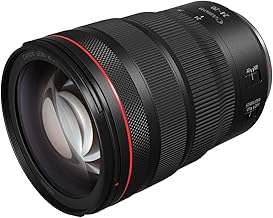
Canon RF24-70mm F2.8 L is USM Lens
Why We Love It

Canon RF 85mm F2 Macro Is Stm
Why We Love It

Canon RF Lens 70-200mm F4L IS USM
Why We Love It

Canon RF50mm F1.8 STM Prime Lens for Canon RF Mount
Why We Love It

Canon RF 24-105mm f4-f7.1 is Lens
Why We Love It

Canon RF 24-105mm f 4L IS USM
Why We Love It

Sigma 18-50mm F2.8 DC DN Canon RF Mount Lens
Why We Love It
Quick Pick
10 Best Canon Rf Of 2026
Quick Pick
Canon RF 50mm F1.8 STM Lens | Compact and Lightweight, Fast F1.8 Aperture, Compatible with all Canon EOS R Series Cameras, Black
Canon RF 16mm f2.8 Lens
Canon RF 35mm f/1.8 IS Macro STM Lens, Black - 2973C002
Canon RF24-70mm F2.8 L is USM Lens, Mirrorless Lens, Standard Zoom, Compatible with EOS R Series Mirrorless Cameras, High Image Quality, Portraits, Landscapes, Travel, Photography, Black
Canon RF 85mm F2 Macro Is Stm, Compact Medium-Telephoto Black Lens 4234C005(AA)
Canon RF Lens 70-200mm F4L IS USM - Telephoto Zoom Camera Lens with 5 stop Optical Image Stabilizer for Travel, Sports & Wildlife Photography | Canon EOS R System Compatible Camera Lens
Canon RF50mm F1.8 STM Prime Lens for Canon RF Mount Mirrorless Cameras, Compact 50mm Fixed Focal Length Lens with Large F1.8 Aperture for Portrait, Low-Light & Everyday Photography, Black
Canon RF 24-105mm f4-f7.1 is Lens
Canon RF 24-105mm f 4L IS USM
Sigma 18-50mm F2.8 DC DN Canon RF Mount Lens | RF Mount Mirrorless Cameras, Addition to realizing high-speed AF, A minimum focusing distance of 12.1cm and a maximum
Buying Guide: Canon Rf
📋 Table of Contents
1What aperture range is most versatile for everyday use?
Look for lenses with an aperture of f/1.8 to f/4.0 for good low-light performance and sharpness. A wider aperture (f/1.4 or f/1.2) is ideal for portraits and low-light photography but is heavier and more expensive.
2Should I choose a prime or zoom lens for my needs?
Prime lenses offer sharper images and wider apertures at a lower cost, while zoom lenses provide flexibility without changing glass. Choose prime for portraits or low light, and zoom for travel or events where you need range.
3What focal length is best for my subject type?
For portraits, 50-85mm is ideal for flattering compression; 24-35mm works well for street or environmental shots. A 100-200mm lens is great for wildlife or sports, where distance matters more than detail.
4How important is image stabilization in a lens?
Image stabilization (IS, VR, or OS) can reduce blur by 3-5 stops, making it essential for handheld shooting in low light or with telephoto lenses. It’s less critical for tripods or fast shutter speeds.
5What lens coatings should I look for to reduce glare and reflections?
Multi-coated lenses with anti-reflective technology (like nano or fluorine coatings) reduce flare and ghosting, especially in backlit or high-contrast situations. This is crucial for landscape or outdoor photography.
How we choose
Our editors are people who genuinely love testing and writing about products. We compare each product's real-world usability and strengths, then distill what matters most into our own "Why We Love It" points — so you get an honest, at-a-glance sense of what counts before you buy.