10 Best C1h Reverse Osmosis Systems Of 2026
C1h Reverse Osmosis Systems — Reviews, Recommendations & Updated Buying Guide November 2026


ISpring RCC7P, 75 GPD Reverse Osmosis System with Pump
Why We Love It


North Star NSRO42C4 Reverse Osmosis System
Why We Love It

ISpring ACL1 RO Add-on Filter Kit for Standard Reverse
Why We Love It

Thereye 6-in-1 Filter Element of Reverse Osmosis System
Why We Love It
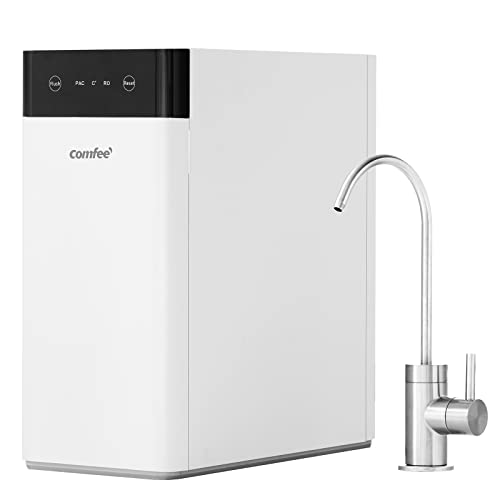
COMFEE' Reverse Osmosis System
Why We Love It

Waterdrop C1H Instant Hot Countertop RO System
Why We Love It

Waterdrop C1RF Filter
Why We Love It

American Water Filtration System
Why We Love It
Quick Pick
10 Best C1h Reverse Osmosis Systems Of 2026
Quick Pick
iSpring RCC7P, 75 GPD Reverse Osmosis System with Pump, 5-Stage Boosted Performance Under Sink RO Water Filtration System with Patented Top-Mounted Faucet Design for Easy Installation
North Star NSRO42C4 Reverse Osmosis System
iSpring ACL1 RO Add-on Filter Kit for Standard Reverse Osmosis Systems, 5 Piece Set, 1/4"
Thereye 6-in-1 Filter Element of Reverse Osmosis System
COMFEE' Reverse Osmosis System, 400 GPD, 1.5:1 Pure to Drain, Tankless RO System, NSF Standards, TDS Reduction, USA Tech Support, Under Sink Water Filter System with Brushed Nickel Faucet
Waterdrop C1H Instant Hot Countertop RO System, No Installation Required | 6-Stage RO Filtration, Glass Bottle Included, 3:1 Pure to Drain, NSF/ANSI 372 Certified, Countertop RO Water Filter
Waterdrop C1RF Filter, Replacement for Waterdrop C1S & C1H Countertop RO System, 12-month Lifetime
American Water Filtration System, 3 Stage Reverse Osmosis Membrane, Reverse Osmosis
Buying Guide: C1h Reverse Osmosis Systems
📋 Table of Contents
1How many stages should a reverse osmosis system have for best performance?
A 5-stage system is standard for high-quality water filtration, combining sediment, carbon, and reverse osmosis membranes with post-filters for taste and mineral balance. Fewer stages may leave contaminants like chlorine or heavy metals partially untreated.
2What water pressure is needed for efficient operation?
Most systems require a minimum of 40-60 psi to function properly. If your home's water pressure is lower, consider a booster pump to avoid slow filtration and reduced membrane lifespan.
3How much water does the storage tank hold, and why does it matter?
A 2.5- to 4.5-liter tank is typical and ensures enough filtered water for several glasses after initial use. A larger tank reduces wait time between uses but takes up more space under the sink.
4What type of membrane is best for long-term use and contaminant removal?
A semi-permeable thin-film composite (TFC) membrane is most effective at removing heavy metals, fluoride, and dissolved solids. Look for a membrane with a pore size of 0.0001 microns for maximum filtration efficiency.
5Are there any common mistakes to avoid when installing or using one?
Don't neglect regular filter replacements — membranes and carbon filters typically need changing every 6-12 months. Also, avoid using the system with untreated well water without a pre-filtration setup to prevent clogging and damage.
How we choose
Our editors are people who genuinely love testing and writing about products. We compare each product's real-world usability and strengths, then distill what matters most into our own "Why We Love It" points — so you get an honest, at-a-glance sense of what counts before you buy.