10 Best Britax Kid Guard Car Seats Of 2026
Britax Kid Guard Car Seats — Reviews, Recommendations & Updated Buying Guide November 2026

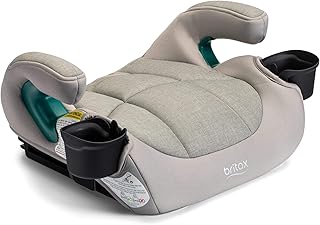
Britax UpNGo Click Backless Booster Car Seat with Rigid
Why We Love It


Britax Seat Saver Waterproof Liner
Why We Love It

Britax UpNGo Backless Booster Car Seat
Why We Love It

Britax Römer Comfort Insert-Car Seat
Why We Love It

Kk Kinderkraft, I-Guard i-Size 40-105cm Car Seat
Why We Love It

Contours ZY009BLK3AQ01, ® Britax® V2 Infant Car Seat Adapter
Why We Love It

Hauck Sit On Me
Why We Love It

Britax Römer Original Replacement Part
Why We Love It

Britax B-Warm Insulated Infant Car Seat Cover
Why We Love It

Nuby On The Go Kids Car Seat Protection Undermat
Why We Love It
Quick Pick
10 Best Britax Kid Guard Car Seats Of 2026
Quick Pick
Britax UpNGo Click Backless Booster Car Seat with Rigid Latch, Lightweight and Portable Travel Booster with Slim Design and PosturePlus, Accommodates Kids up to 120 Lbs and 63” – Parchment
Britax Seat Saver Waterproof Liner
Britax UpNGo Backless Booster Car Seat, Lightweight and Portable Travel Booster with Slim Design and PosturePlus, Accommodates Kids up to 120 Lbs and 63” – Raven Black
Britax Römer Comfort Insert-Car Seat
kk Kinderkraft - I-Guard i-Size 40-105cm Car Seat - Graphite Black
Contours ZY009BLK3AQ01 - ® Britax® V2 Infant Car Seat Adapter - Black - Safe
Hauck Sit On Me, Car Seat Protector - Grey
Britax Römer Original Replacement Part | Damping Inlay Set Head and Back Part for KID
Britax B-Warm Insulated Infant Car Seat Cover, Machine Washable, Polar Mist
Nuby On The Go Kids Car Seat Protection Undermat, Protects Upholstery from Indentations, Scratches, and Spills, Black
Buying Guide: Britax Kid Guard Car Seats
📋 Table of Contents
1What weight and height ranges should I look for in a car seat?
Infant seats typically fit up to 13-15 kg (22-33 lbs) and 65-75 cm (25-30 in), while convertible seats can go up to 22-32 kg (48-70 lbs) and 100-120 cm (39-47 in). Choose a seat that matches your child's current size and will grow with them to avoid frequent replacements.
2Is rear-facing or forward-facing safer for my child?
Rear-facing is statistically safer for infants and toddlers, especially in frontal collisions, as it supports the head, neck, and spine. Keep your child rear-facing for as long as the seat allows, ideally until they reach the maximum height or weight limit.
3What installation method is best for my car seat?
LATCH (Lower Anchors and Tethers for Children) is easier for short-term use and avoids seat belt wear, while the vehicle seat belt offers more flexibility and is often better for taller children. Check your car’s manual to see which method is most secure for your setup.
4Are side-impact protection features worth the extra cost?
Side-impact protection, such as energy-absorbing foam or extended headrests, can reduce injury risk in side collisions. While not mandatory, it’s a valuable feature in high-traffic areas or for long-term use, especially in convertible or all-in-one seats.
5What accessories are essential for a car seat?
A well-fitting harness cover prevents chafing, a sunshade protects from heat, and a travel bag makes moving the seat easier. Avoid unnecessary add-ons like bulky padding or decorative items that may interfere with the seat’s safety performance.
How we choose
Our editors are people who genuinely love testing and writing about products. We compare each product's real-world usability and strengths, then distill what matters most into our own "Why We Love It" points — so you get an honest, at-a-glance sense of what counts before you buy.