10 Best Booster Seat Of 2026
Booster Seat — Reviews, Recommendations & Updated Buying Guide November 2026


Chicco GoFit Backless Booster Car Seat
Why We Love It


Chicco GoFit® Plus Kids Booster Car Seat 4y- 10y
Why We Love It

The Moon Brand Kido Baby/Kids Lightweight Travel Booster Car
Why We Love It

Chicco Gofit® Plus Kids Booster Car Seat 4Y- 10Y
Why We Love It
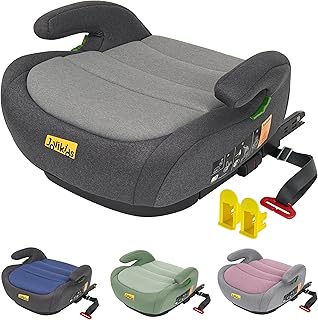
Jovikids ISOFIX Kids Booster Car Seat
Why We Love It

Nurtur Enzo Kids Booster Car Seat - Arm Rest Seat
Why We Love It

Chicco Quasar i-Size Car Seat 7-12 Years (126-150 cm)
Why We Love It

Neobreez i-FIRA i-Size Kids Backless Booster Car Seat
Why We Love It

MOON Kido Baby Booster Car Seat with ISOFIX.Cup Holder.Group
Why We Love It

Chicco KidFit ClearTex Plus 2-in-1 Belt-Positioning Booster
Why We Love It
Quick Pick
10 Best Booster Seat Of 2026
Quick Pick
Chicco GoFit Backless Booster Car Seat, Portable Travel Seat, No Latch | Shark/Black, 40-110 lbs., ages 4+, ErgoBoost contoured toddler car seat, washable pad, 2 cup holders, carry handle
Chicco GoFit® Plus Kids Booster Car Seat 4y- 10y, Iron
The Moon Brand Kido Baby/Kids Lightweight Travel Booster Car Seat Group 3 Universal Fix Extra Large Seat Backless Belt Positioning Suitable From 3 Years To 12 Years From 15 36 Kg - Dark Grey
Chicco Gofit® Plus Kids Booster Car Seat 4Y- 10Y, Avenue
Jovikids ISOFIX Kids Booster Car Seat, Portable & Compact, Black & Grey | I-Size ECE R129 Certified with ISOFIX, for children 125–150cm (6–12 years), ensuring secure, easy installation.
Nurtur Enzo Kids Booster Car Seat - Arm Rest Seat, Blow up Narrow Backless Booster Car Seat for Travel, Suitable from 4 years to 12 years (Group 2/3) - Black and Dark Grey
Chicco Quasar i-Size Car Seat 7-12 Years (126-150 cm), Weight 23-36 kg, Group 3, Easy Assembly with 3-Point Harness, Padded Armrests and Comfortable Seat, Black
Neobreez i-FIRA i-Size Kids Backless Booster Car Seat, Double padded Foam, Compact,Lightweight&Portable Kids Car Seat,Arm Rest Seat,2 Cup Holder,ECER129(6-12yrs,125-150cm,22-36kg,2yrs Warranty)
MOON Kido Baby Booster Car Seat with ISOFIX.Cup Holder.Group 3 (15-36 kg).Extra large seat.Soft fabric.Equipped with Armrests,Backless Belt-Positioning Car Booster Seat,Universally Fit -Grey
Chicco KidFit ClearTex Plus 2-in-1 Belt-Positioning Booster Car Seat | Drift/Grey, high back and backless car seat modes, 40-100 lbs, DuoGuard protection, GREENGUARD Gold, machine washable fabrics
Buying Guide: Booster Seat
📋 Table of Contents
1What weight and height range should a booster seat support?
Most booster seats are designed for children weighing 15–35 kg (30–75 lbs) and 100–150 cm (39–59 in) tall. Always check the seat’s labeled limits to ensure it fits your child’s current size and will last through their growth phase.
2Is a high-back or backless booster seat better for my child?
High-back boosters offer head and neck support, especially in vehicles without built-in headrests, and often include a built-in harness. Backless boosters are more compact and portable but require the vehicle’s seat belt to fit snugly across the child’s shoulder and hip for safety.
3What type of seat belt compatibility should I look for?
Choose a booster seat that works with both lap-shoulder belts and lap-only belts if you plan to use it in different vehicles. The seat should guide the belt into the correct path and prevent it from slipping off the child’s shoulder or waist.
4How important is side-impact protection in a booster seat?
Side-impact protection, such as energy-absorbing foam or a rigid back, can reduce injury risk in side collisions. While not all boosters include it, it’s a valuable feature for added safety, especially in high-speed or urban driving environments.
5Are LATCH connectors necessary for a booster seat?
LATCH (Lower Anchors and Tethers for Children) is not required for booster seats since they don’t need to be anchored to the vehicle base. However, some high-back boosters may include a top tether for added stability — it’s a bonus, not a must-have.
How we choose
Our editors are people who genuinely love testing and writing about products. We compare each product's real-world usability and strengths, then distill what matters most into our own "Why We Love It" points — so you get an honest, at-a-glance sense of what counts before you buy.