10 Best Bookshelf Speakers With Subwoofer Of 2026
Bookshelf Speakers With Subwoofer — Reviews, Recommendations & Updated Buying Guide November 2026


Edifier R1280DBs Active Bluetooth Bookshelf Speakers
Why We Love It


Edifier R1280DBs Active 2.0 Bluetooth Bookcase Speakers
Why We Love It

Edifier T5 Powered Subwoofer
Why We Love It

Edifier MR3 Powered Studio Monitor Speakers
Why We Love It
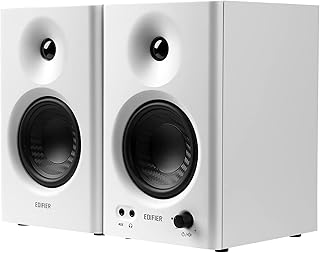
Edifier MR4 Powered Studio Monitor Speakers
Why We Love It

Edifier MR3 Powered Studio Monitor Speakers
Why We Love It

Polk Audio T15 100 Watt Home Theater Bookshelf Speakers
Why We Love It

Sanyun SW208 3" Active Bluetooth 5.0 Bookshelf Speakers
Why We Love It

Edifier R1280DB Active Remote Control Bookshelf Studio
Why We Love It

Victrola Tempo – Bluetooth Bookshelf Speakers
Why We Love It
Quick Pick
10 Best Bookshelf Speakers With Subwoofer Of 2026
Quick Pick
Edifier R1280DBs Active Bluetooth Bookshelf Speakers - Optical Input - 2.0 Wireless Studio Monitor Speaker - 42W RMS with Subwoofer Line Out - Wood Grain
Edifier R1280DBs Active 2.0 Bluetooth Bookcase Speakers - Wireless Speaker 42 W RMS - Optical Input - Subwoofer Output - Black
Edifier T5 Powered Subwoofer - 70w RMS Active Woofer with 8 inch Driver and Low Pass Filter
Edifier MR3 Powered Studio Monitor Speakers, Hi-Res Audio Certified Bluetooth V5.4 Active Bookshelf Speakers, 2.0 Computer Speaker with Headphone Output RCA AUX Balanced TRS Input - Black (Pair)
Edifier MR4 Powered Studio Monitor Speakers, 4" Active Near-field Monitor Speaker - White (Pair)
Edifier MR3 Powered Studio Monitor Speakers, Hi-Res Audio Certified Bluetooth V5.4 Active Bookshelf Loudspeakers, 2.0 Computer Speaker with Headphone Output RCA AUX Balanced TRS Input (White)
Polk Audio T15 100 Watt Home Theater Bookshelf Speakers, Black, 1 Pair | Compact Size, Hi-Res Surround Audio with Deep Bass Response, Dolby and DTS Surround, Wall-Mountable
Sanyun SW208 3" Active Bluetooth 5.0 Bookshelf Speakers, Built-in 24bit DAC | 60W Carbon Fiber Speaker, USB and 3.5mm AUX Input, Dynamic 3D Surround Sound, 2.0 Computer PC Monitor Gaming (Pair, Black)
Edifier R1280DB Active Remote Control Bookshelf Studio Bluetooth Speakers, 2 x RCA Line In, Optical and Coaxial connections, Built in Amplifier Ideal for Laptop, PC, MAC, Phone, and Hi-Fi Maple Wood
Victrola Tempo – Bluetooth Bookshelf Speakers – Room-Filling Sound, Bluetooth Input, Multi-Speaker Streaming Using Auracast, USB-C Computer Input, Turntable Inputs, Subwoofer Output (Pair, Green) | Powered speaker pair with Auracast multi-speaker streaming, RCA, optical, aux and USB-C inputs, subwoofer output
Buying Guide: Bookshelf Speakers With Subwoofer
📋 Table of Contents
1What power output (watts) should I look for in a subwoofer?
A subwoofer with 100-200W RMS power is ideal for most bookshelf speaker setups, providing deep, room-filling bass without overwhelming the main speakers. Higher wattage can be beneficial in larger rooms or for music with heavy bass, like rock or electronic genres.
2Does the size of the subwoofer matter for sound quality?
Yes — subwoofers with 8-12 inch drivers offer a good balance of bass depth and room adaptability for most home setups. Larger drivers can produce deeper bass, but may require more space and could be overkill in smaller rooms or for casual listening.
3Should I choose active or passive subwoofers with my bookshelf speakers?
Active subwoofers (with built-in amplifiers) are easier to set up and more common in modern systems, while passive models require a separate amplifier. For most users, active subwoofers are more convenient and provide better integration with powered or receiver-driven bookshelf speakers.
4What crossover frequency is best for my system?
Set the crossover between 60-120Hz to let the subwoofer handle low frequencies while the bookshelf speakers focus on mid and high ranges. Too high a setting can muddy the sound, while too low may leave the bass underpowered and disconnected.
5Are wireless subwoofers worth the extra cost?
Wireless subwoofers eliminate cable clutter and offer flexibility in placement, but may introduce slight latency or signal interference in some environments. If you value clean setup and don’t need ultra-precise timing (like for movies), a wireless model is a great convenience upgrade.
How we choose
Our editors are people who genuinely love testing and writing about products. We compare each product's real-world usability and strengths, then distill what matters most into our own "Why We Love It" points — so you get an honest, at-a-glance sense of what counts before you buy.