10 Best Bookshelf Speakers With Optical Input Of 2026
Bookshelf Speakers With Optical Input — Reviews, Recommendations & Updated Buying Guide November 2026


Edifier R1280DB Active Remote Control Bookshelf Studio
Why We Love It


Edifier R1280DBs Active Bluetooth Bookshelf Speakers
Why We Love It

Edifier R1280DB Active Bookshelf Speakers 2.0
Why We Love It

Edifier R2000DB Active Bluetooth Bookshelf Speakers
Why We Love It

Sanyun SW208 3" Active Bluetooth 5.0 Bookshelf Speakers
Why We Love It
Edifier R1280DBs Active Bluetooth Bookshelf Speakers
Why We Love It

Edifier e25HD PC Speakers with Passive Bass Radiators &
Why We Love It

Edifier MR3 Powered Studio Monitor Speakers
Why We Love It
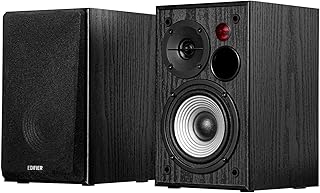
Edifier R990BT Bluetooth Active Bookshelf Speakers 2.0
Why We Love It

Edifier e25HD PC Speakers with Passive Bass Radiators &
Why We Love It
Quick Pick
10 Best Bookshelf Speakers With Optical Input Of 2026
Quick Pick
Edifier R1280DB Active Remote Control Bookshelf Studio Bluetooth Speakers, 2 x RCA Line In, Optical and Coaxial connections, Built in Amplifier Ideal for Laptop, PC, MAC, Phone, and Hi-Fi Maple Wood
Edifier R1280DBs Active Bluetooth Bookshelf Speakers - Optical Input - 2.0 Wireless Studio Monitor Speaker - 42W RMS with Subwoofer Line Out - Wood Grain
Edifier R1280DB Active Bookshelf Speakers 2.0, Bluetooth v5.1, Optical/Coaxial/RCA Input, 42W RMS, 55Hz–20kHz, 4" Drivers, 0.5" Tweeters, Bass Reflect Port, with Remote, Wood Enclosure, White
Edifier R2000DB Active Bluetooth Bookshelf Speakers - Optical Input - 2.0 Wireless Near-Field Studio Monitor Speakers - 120 Watts RMS with 5″ Large Woofer – Brown
Sanyun SW208 3" Active Bluetooth 5.0 Bookshelf Speakers, Built-in 24bit DAC | 60W Carbon Fiber Speaker, USB and 3.5mm AUX Input, Dynamic 3D Surround Sound, 2.0 Computer PC Monitor Gaming (Pair, Black)
Edifier R1280DBs Active Bluetooth Bookshelf Speakers - Optical Input - 2.0 Wireless Studio Monitor Speaker - 42W RMS with Subwoofer Line Out - Wood Grain
Edifier e25HD PC Speakers with Passive Bass Radiators & Bluetooth 5.3 LDAC for Desktop - Optical Input- 74W Near Field Powered Bookshelf Hi-Res Speakers with 24bit/96KHz Wired & 990Kbps Wireless White
Edifier MR3 Powered Studio Monitor Speakers, Hi-Res Audio Certified Bluetooth V5.4 Active Bookshelf Speakers, 2.0 Computer Speaker with Headphone Output RCA AUX Balanced TRS Input - Black (Pair)
Edifier R990BT Bluetooth Active Bookshelf Speakers 2.0 (Black)
Edifier e25HD PC Speakers with Passive Bass Radiators & Bluetooth 5.3 LDAC for Desktop - Optical Input- 74W Near Field Powered Bookshelf Hi-Res Speakers with 24bit/96KHz Wired & 990Kbps Wireless Black
Buying Guide: Bookshelf Speakers With Optical Input
📋 Table of Contents
1What speaker size is best for a bookshelf setup?
Look for 4-6 inches in driver size for a balanced sound in medium rooms. Smaller drivers (4 inches) suit compact spaces, while larger ones (6 inches) deliver richer bass and volume for bigger areas or music lovers.
2Does an optical input limit sound quality?
No — optical inputs support high-resolution audio up to 24-bit/192kHz, making them ideal for connecting devices like TVs or soundbars. They prevent signal loss from analog inputs but don’t enhance the source quality itself.
3Should I prioritize wired or wireless connectivity?
Wired connections via optical or RCA offer stable, lag-free audio, while wireless options like Bluetooth add convenience but may introduce latency or dropouts. Choose wired for critical listening, wireless for easy placement and mobility.
4What power output (watts) is enough for bookshelf speakers?
Aim for 20-50W per speaker for casual listening in a living room. Higher wattage (50-100W) is better for larger spaces or if you enjoy loud music, but amplifier compatibility is key to avoid distortion or damage.
5Are built-in subwoofers better than external ones?
Built-in subs offer compact design and ease of setup, but external subwoofers provide deeper, more accurate bass and can be placed for optimal room acoustics. If bass is a priority, consider a separate sub for better performance and flexibility.
How we choose
Our editors are people who genuinely love testing and writing about products. We compare each product's real-world usability and strengths, then distill what matters most into our own "Why We Love It" points — so you get an honest, at-a-glance sense of what counts before you buy.