10 Best Bodyboards Of 2026
Bodyboards — Reviews, Recommendations & Updated Buying Guide November 2026


Wavestorm Foam Bodyboard 40"
Why We Love It


Nalu Pink Bodyboard with Leash 33"/41" Body Board with
Why We Love It

Fitto Surfing Board 100 x 46 x 5 cm
Why We Love It

Mondo Body Board 84cm Stitch
Why We Love It

Mondo CARS Bodyboard 84CM
Why We Love It

Body Board Lightweight with EPS Core
Why We Love It

Nalu Bodyboard with Leash 33"/41" Body Board with Crescent
Why We Love It

Mondo Body Board 84cm 3 Assortment
Why We Love It
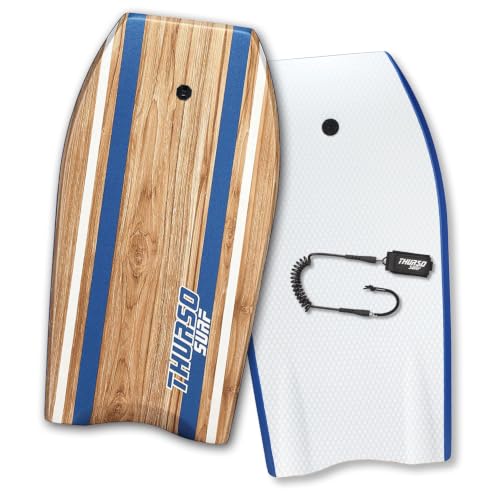
THURSO SURF – Quill 42-inch Bodyboard
Why We Love It

Reed Body Board 33 Inches Bodyboard Body Boards for Beach
Why We Love It
Quick Pick
10 Best Bodyboards Of 2026
Quick Pick
Wavestorm Foam Bodyboard 40"
Nalu Pink Bodyboard with Leash 33"/41" Body Board with Crescent Tail and XPE Core (Pink, 41")
Fitto Surfing Board 100 x 46 x 5 cm, Lightweight Foam Bodyboard with Double-Sided Ocean Print, Rounded Edges, Buoyant Beach Board, Mix Design
Mondo Body Board 84cm Stitch, Bodyboard Surf Board Float for Kids - Lightweight and Durable Foam Board for Kids/Teenagers - Perfect for Beach, Ocean and Pool Fun
Mondo CARS Bodyboard 84CM
Body Board Lightweight with EPS Core
Nalu Bodyboard with Leash 33"/41" Body Board with Crescent Tail and XPE Core (Black, 33")
Mondo Body Board 84cm 3 Assortment, One Piece Sold Separately, Bodyboard Surf Board Float for Kids - Lightweight and Durable Foam Board for Kids/Teenagers - Perfect for Beach, Ocean and Pool Fun
THURSO SURF – Quill 42-inch Bodyboard, Boogie Board with Lightweight Durable EPS Core, IXPE Deck, HDPE Slick Bottom, Stainless Steel Double-Swivel Coiled Leash, FRP Stringer, & Plastic Mesh, Azure
Reed Body Board 33 Inches Bodyboard Body Boards for Beach Kids Lightweight EPS Core Dual Channel Double Swivel Coiled Wrist Leash for All Surfing Levels
Buying Guide: Bodyboards
📋 Table of Contents
1What size bodyboard should I get based on my weight and height?
Bodyboard length typically ranges from 33 to 43 inches, and the right size depends on your weight and skill level. As a rule, lighter riders (under 70kg) do well with 37-39 inch boards, while heavier riders need 41-43 inches for better flotation and control. Your local water conditions and wave size also matter—smaller boards are more maneuverable in tight waves, while larger ones handle bigger swells better.
2What's the difference between PE, EPS, and XPE core materials?
PE (polyethylene) cores are the standard entry-level option—durable and affordable but heavier and less responsive. EPS (expanded polystyrene) is lighter and more responsive, making it better for intermediate to advanced riders, though it's pricier and slightly more fragile. XPE is a premium middle ground that offers good flotation and responsiveness without being too expensive.
3Does the deck slick material really make a difference?
Yes, the slick bottom surface affects speed and how easily you can maneuver—HDPE and surlyn are the most common slicks, with surlyn offering slightly better durability and glide. The difference is noticeable once you're in the water, but for beginners it's less critical than board size and core quality. Focus on the slick material only after you've nailed the basics.
4When is it worth spending more on a premium bodyboard?
Upgrade if you're hitting the water regularly (several times a month) and want better responsiveness and longevity—premium boards with EPS cores and quality slicks last longer and perform noticeably better. Beginners should start with a mid-range board; spending top dollar makes sense once you understand your riding style and wave preferences.
5Should I check anything specific before buying a bodyboard online?
Verify the exact length, weight capacity, and core material since sellers don't always list all specs clearly. Check the return policy in case the size or performance isn't right for you—bodyboards are personal equipment and what works for one person might not suit another. Look at buyer reviews mentioning durability and float, not just general comments.
How we choose
Our editors are people who genuinely love testing and writing about products. We compare each product's real-world usability and strengths, then distill what matters most into our own "Why We Love It" points — so you get an honest, at-a-glance sense of what counts before you buy.