10 Best Behringer Preamps Of 2026
Behringer Preamps — Reviews, Recommendations & Updated Buying Guide November 2026


Behringer PP400 Ultra-Compact Phono Preamp for Turntables
Why We Love It


Behringer U-Phono UFO202 USB Audio Interface with Phono
Why We Love It
Behringer MICROPHONO PP400 Ultra-Compact Phono Preamp
Why We Love It
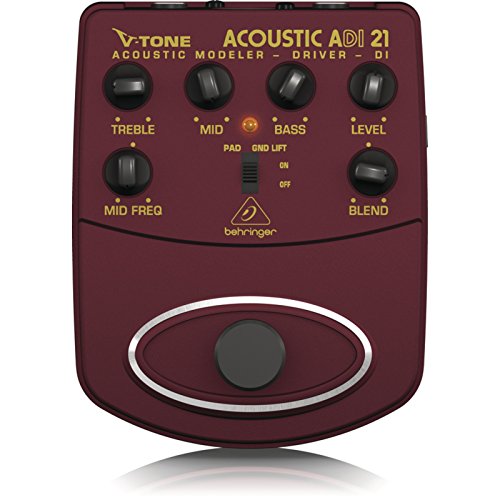
Behringer Acoustic Amp Modeler/Direct Recording Preamp/DI
Why We Love It

Behringer XR18 18-Channel
Why We Love It

Behringer 32 40-Input 25-Bus Digital Mixing Console
Why We Love It

Behringer Digital Snake IO Box W32in 16out Midas Mic Preamp
Why We Love It
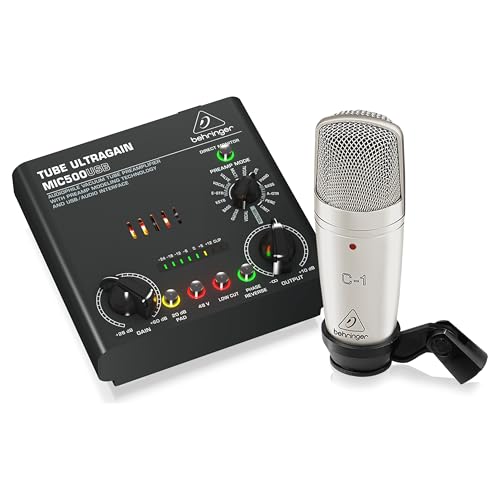
Behringer VOICE STUDIO Complete Recording Bundle with
Why We Love It

Behringer X AIR XR12 Digital Mixer with 12 Inputs for
Why We Love It

Behringer UMC202HD Audiophile 2x2
Why We Love It
Quick Pick
10 Best Behringer Preamps Of 2026
Quick Pick
Behringer PP400 Ultra-Compact Phono Preamp for Turntables, with RCA and TRS Outputs, Plastic, Black, White, Silver
Behringer U-Phono UFO202 USB Audio Interface with Phono Preamp
Behringer MICROPHONO PP400 Ultra-Compact Phono Preamp
Behringer Acoustic Amp Modeler/Direct Recording Preamp/DI Box ADI21
Behringer XR18 18-Channel, 12-Bus Digital Mixer for iPad/Android Tablets with 16 Programmable Midas Preamps, Integrated Wifi Module and Multi-Channel USB Audio Interface
Behringer 32 40-Input 25-Bus Digital Mixing Console, Black (X32)
Behringer Digital Snake IO Box W32in 16out Midas Mic Preamp
Behringer VOICE STUDIO Complete Recording Bundle with Condenser Mic, Tube Preamplifier 16 Preamp Voicings and USB/Audio Interface
Behringer X AIR XR12 Digital Mixer with 12 Inputs for iPad/Android Tablets with 4 Programmable Midas Preamps, 8 Line Inputs, Integrated WiFi Module and USB Stereo Recorder
Behringer UMC202HD Audiophile 2x2, 24-Bit/192 kHz USB Audio Interface with Midas Mic Preamplifiers | For Recording Microphones and Instruments
Buying Guide: Behringer Preamps
📋 Table of Contents
1What input impedance should I look for in a preamp?
Aim for at least 10kΩ for passive microphones and 1MΩ for active ones. Higher impedance ensures cleaner signal transfer and reduces noise, especially with long cables or high-end mics.
2Does a preamp's gain range matter for my setup?
Yes — look for 60dB or more to properly amplify quiet sources like ribbon mics or acoustic instruments. Insufficient gain forces you to boost the signal later, which can add noise.
3Should I choose a tube or solid-state preamp?
Tube preamps add warmth and character, ideal for vocals or guitars, while solid-state models offer clarity and consistency, better for tracking clean signals. Choose based on your desired sound, not just price.
4What phantom power specs should I check?
Ensure the preamp provides 48V phantom power for condenser mics, and confirm it's stable under load. Some mics require more current, so a preamp with a higher current rating (e.g., 500mA+) is safer for multiple mics.
5Are balanced XLR outputs essential in a preamp?
Absolutely — balanced outputs reduce interference and noise over long cable runs, making them a must for studio or live use. Unbalanced outputs are only suitable for very short connections.
How we choose
Our editors are people who genuinely love testing and writing about products. We compare each product's real-world usability and strengths, then distill what matters most into our own "Why We Love It" points — so you get an honest, at-a-glance sense of what counts before you buy.