10 Best Bass Blockers Of 2026
Bass Blockers — Reviews, Recommendations & Updated Buying Guide November 2026


AUDIOPIPE 5.25" 6.5" 133 UF BASS BLOCKERS 300Hz @ 4 OHM
Why We Love It


Nippon Bass Blocker Pair Packed
Why We Love It

6.5" Foam Speaker Enhancer
Why We Love It

AUDIOPIPE 14 UF BASS Noise BLOCKERS 2.8khz @ 4 Ohm 3.5 to 4
Why We Love It

6.5" Foam Speaker Enhancer
Why We Love It

6.5" Foam Speaker Enhancer
Why We Love It

PAC BB-5PR Pair of 3.5" Bass Blocker
Why We Love It

6.5" Foam Speaker Enhancer
Why We Love It

AUDIOP BB133 Bass Blocker for 6 in. x 9 in. Speakers
Why We Love It
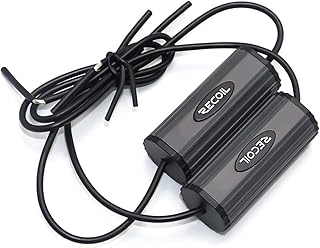
Recoil BB-T Bass Blocks Designed to Protect Car Audio
Why We Love It
Quick Pick
10 Best Bass Blockers Of 2026
Quick Pick
AUDIOPIPE 5.25" 6.5" 133 UF BASS BLOCKERS 300Hz @ 4 OHM 5-1/4" 6-1/2" 2 PCS
Nippon Bass Blocker Pair Packed
6.5" Foam Speaker Enhancer, Self Adhesive Speaker Fast Rings, Bass Blocker Kit, Car Door Foam Speaker Fast Rings, Universal High Rebound Bass Speaker Rings Blocker Pad, Car Accessories, 4Pcs
AUDIOPIPE 14 UF BASS Noise BLOCKERS 2.8khz @ 4 Ohm 3.5 to 4 2 PCS
6.5" Foam Speaker Enhancer, 4Pcs Self Adhesive Speaker Fast Rings, 6.5" Speaker Baffle, Universal High Rebound Sponge Bass Blocker Kit for Car Door Speaker Foam Rings
6.5" Foam Speaker Enhancer, 4Pcs Self Adhesive Speaker Fast Rings, High Rebound Sponge Bass Blocker Kit for 6" and 6.5" Speaker
PAC BB-5PR Pair of 3.5" Bass Blocker
6.5" Foam Speaker Enhancer, AngleKai 4Pcs Self Adhesive Speaker Fast Rings, Universal High Rebound Sponge Bass Blocker Kit for Car Door Speaker Foam Rings
AUDIOP BB133 Bass Blocker for 6 in. x 9 in. Speakers
Recoil BB-T Bass Blocks Designed to Protect Car Audio Tweeters, Eliminate Frequencies 0-5.6kHz at 4Ohms, Pair
Buying Guide: Bass Blockers
📋 Table of Contents
1What's the difference between passive and active bass blockers?
Passive bass blockers use simple filters and crossovers to reduce low frequencies without needing power, while active ones have built-in amplifiers and digital controls for more precise frequency management. Active models give you better control but require a power source and are bulkier.
2How do I know what cutoff frequency I need for my space?
Start by identifying what bass frequencies are problematic—most room resonance issues sit between 40-100 Hz. If you're unsure, look for adjustable models that let you dial in the exact frequency rather than fixed-cutoff units.
3Will a bass blocker work with my existing speakers and amplifier?
Check that the blocker's impedance rating matches your setup and that it can handle your amplifier's power output. Most modern bass blockers are compatible with standard speaker systems, but verify the connection type (inline, XLR, RCA) before buying.
4When is it worth spending more on a premium bass blocker?
Pay more if you need precise frequency adjustment, multiple filter slopes, or handling for very high power levels (over 200W). Budget models work fine for basic room treatment, but serious audio setups benefit from better components and more flexibility.
5What specs should I actually pay attention to when comparing models?
Focus on the attenuation slope (steeper is usually better), frequency range coverage, impedance compatibility, and whether it offers adjustable controls. Power handling capacity matters too if you're running a high-powered system.
How we choose
Our editors are people who genuinely love testing and writing about products. We compare each product's real-world usability and strengths, then distill what matters most into our own "Why We Love It" points — so you get an honest, at-a-glance sense of what counts before you buy.