10 Best Bass Amplifier Heads Of 2026
Bass Amplifier Heads — Reviews, Recommendations & Updated Buying Guide November 2026


Hotone Thunder Bass Mini Bass Guitar Amplifier Head
Why We Love It

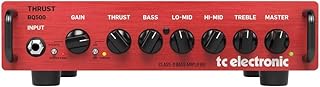
TC Electronic THRUST BQ500 500 Watt Portable Bass Head with
Why We Love It

Vox - MSB50-BA 50W Mini Superbeetle Nutube Bass Amplifier
Why We Love It

Laney Digbeth DB200H FET/Tube Bass Amplifier Head 200W RMS
Why We Love It

Taramp's Bass 8k 8000 Watts RMS Car Audio Amplifier 1 Ohm
Why We Love It

Fender Rumble LT25
Why We Love It

Behringer MicroAMP HA-400 Headphone Amplifier
Why We Love It

Valeton Rushead Max Bass Headphone Amplifier Multi Effects
Why We Love It

Vox - PFB-10 Pathfinder 10B
Why We Love It

Hartke LX5500 500-watt Bass Head
Why We Love It
Quick Pick
10 Best Bass Amplifier Heads Of 2026
Quick Pick
Hotone Thunder Bass Mini Bass Guitar Amplifier Head, 5 Watt
TC Electronic THRUST BQ500 500 Watt Portable Bass Head with Mosfet Preamp and Thrust Compressor
Vox - MSB50-BA 50W Mini Superbeetle Nutube Bass Amplifier Head and Cab - Black
Laney Digbeth DB200H FET/Tube Bass Amplifier Head 200W RMS, Black
Taramp's Bass 8k 8000 Watts RMS Car Audio Amplifier 1 Ohm
Fender Rumble LT25, Bass Combo Amplifier Suitable for Electric Bass Guitars, Black
Behringer MicroAMP HA-400 Headphone Amplifier
Valeton Rushead Max Bass Headphone Amplifier Multi Effects USB Chargeable Portable Pocket Carry-On Bedroom Plug-In Mini Practice Amp | Pocket Carry-On Bedroom Plug-In Mini Practice Combo Amps RH-101
Vox - PFB-10 Pathfinder 10B - 10W Bass Guitar Practice Amplifier Combo - Black
Hartke LX5500 500-watt Bass Head
Buying Guide: Bass Amplifier Heads
📋 Table of Contents
1What power output (watts) do I need for my playing environment?
For small venues or practice, 50-100W is usually enough. For larger spaces or live gigs, aim for 150-300W to ensure clean headroom and avoid distortion at high volumes. Tube heads often require less wattage for the same perceived loudness due to their tonal characteristics.
2Should I choose a solid-state or tube amplifier head?
Solid-state heads are more reliable, lightweight, and affordable, with a clean, consistent tone. Tube heads offer a warmer, dynamic sound ideal for genres like jazz or rock but are heavier, pricier, and require more maintenance. Consider your genre and budget before choosing.
3How important are EQ controls and preamp features?
A 3-band EQ (bass, mid, treble) is standard, but 4-band or semi-parametric EQs give more tonal control. Look for features like mid-frequency sweep, presence, or contour switches if you need to shape your sound for different venues or playing styles.
4What input options should I look for in a bass amp head?
At minimum, a 1/4" instrument input is essential. Additional inputs like XLR for DI use, 1/4" line inputs for effects or external preamps, and a send/return for effects loops add flexibility for live or studio setups. Phantom power is useful if you use active DI boxes.
5Is a built-in speaker or separate cabinet necessary?
Amp heads typically require a separate cabinet, so check compatibility with speaker impedance (4Ω, 8Ω, or 16Ω). Some combo-style heads include a built-in speaker for portability, but for tone and volume, a dedicated cabinet with the right wattage and speaker size (e.g., 10", 12") is recommended.
How we choose
Our editors are people who genuinely love testing and writing about products. We compare each product's real-world usability and strengths, then distill what matters most into our own "Why We Love It" points — so you get an honest, at-a-glance sense of what counts before you buy.