10 Best Band Saw Blades Of 2026
Band Saw Blades — Reviews, Recommendations & Updated Buying Guide November 2026


PROXXON Band Saw Blade 28174
Why We Love It


Makita 792558-0 Band Saw Blade T24 2107Fk
Why We Love It

POWERTEC 13104 59-1/2" x 3/8" x 18 TPI Band Saw Blade
Why We Love It

Makita 792559-8 Band saw blade
Why We Love It

Proxxon 28176 14-Tpi Fine Toothed Band Saw Blade for MBS
Why We Love It
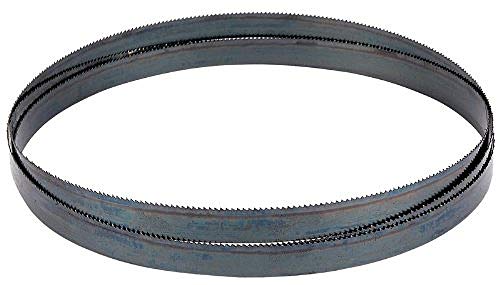
Draper 76732 1712 mm x 1/2-Inch x 14 TPI Band Saw Blade
Why We Love It

Bosch BS80-6W 80-Inch by 1/4-Inch by 6TPI Wood Bandsaw Blade
Why We Love It
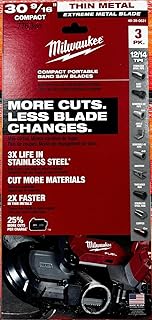
Milwaukee 48-39-0631 30-9/16" 12/14 TPI Compact Extreme
Why We Love It
POWERTEC 59-1/4 Inch Bandsaw Blades
Why We Love It

Makita B-40559 Compact Portable Band Saw Blade
Why We Love It
Quick Pick
10 Best Band Saw Blades Of 2026
Quick Pick
PROXXON Band Saw Blade 28174
Makita 792558-0 Band Saw Blade T24 2107Fk, Multi-Colour
POWERTEC 13104 59-1/2" x 3/8" x 18 TPI Band Saw Blade, for Sears, B&D, Ryobi, Delta, and Skil 9" Bandsaw
Makita 792559-8 Band saw blade, HCS, 13 x 0,5 x 1140 mm, 18 TPI, 3 pcs
Proxxon 28176 14-Tpi Fine Toothed Band Saw Blade for MBS 115/E Swedish Steel
Draper 76732 1712 mm x 1/2-Inch x 14 TPI Band Saw Blade,Black
Bosch BS80-6W 80-Inch by 1/4-Inch by 6TPI Wood Bandsaw Blade
Milwaukee 48-39-0631 30-9/16" 12/14 TPI Compact Extreme Thick Metal Band Saw Blade 3 Pack
POWERTEC 59-1/4 Inch Bandsaw Blades, 1/4" x 14 TPI Band Saw Blades for Sears Craftsman, Ryobi, B&D, Skil, Protect and Tradesman 9" Band Saw for Woodworking, 1 Pack (13155)
Makita B-40559 Compact Portable Band Saw Blade, 32-7/8", 18TPI, 5/pk
Buying Guide: Band Saw Blades
📋 Table of Contents
1How do I know what blade width and length my saw needs?
Check your band saw's manual or the specifications plate on the machine itself—it will list the exact blade length and width required. Buying the wrong size won't fit at all, so this is the first thing to verify before ordering anything.
2What's the difference between tooth pitch, and does it actually matter?
Tooth pitch (teeth per inch) controls the cut quality and material compatibility—finer teeth (more TPI) give smoother cuts on metal and thin stock, while coarser teeth cut faster through wood and thick materials. Choose based on what you're actually cutting most often.
3Should I buy expensive bi-metal blades or cheaper carbon steel ones?
Bi-metal blades last 3-5 times longer and handle harder materials better, making them worth the extra cost if you use your saw regularly. For occasional hobby work, carbon steel is fine, but if you're doing production cuts, bi-metal pays for itself quickly.
4What does 'blade set' mean, and why is it mentioned on every product listing?
Blade set refers to how the teeth are bent side-to-side to create clearance in the cut—this is what prevents the blade from binding and overheating. Different materials need different set patterns, so it's listed to help you match the blade to your material type.
5How do I know when a blade is actually dull and needs replacing?
A dull blade will produce rough, uneven cuts, require more feed pressure, and generate excessive heat during cutting. If you notice the saw working harder than usual or the blade smoking, it's time to swap it out rather than keep pushing.
How we choose
Our editors are people who genuinely love testing and writing about products. We compare each product's real-world usability and strengths, then distill what matters most into our own "Why We Love It" points — so you get an honest, at-a-glance sense of what counts before you buy.