10 Best Balance Trainers Of 2026
Balance Trainers — Reviews, Recommendations & Updated Buying Guide November 2026


SKY-TOUCH Balance Ball Exercise Ball
Why We Love It


Amazon Basics
Why We Love It

Bosu 72-10850-2XPQ Balance Trainer
Why We Love It

Lifepro Half Exercise Ball Trainer
Why We Love It

PROIRON Wobble Balance Board
Why We Love It
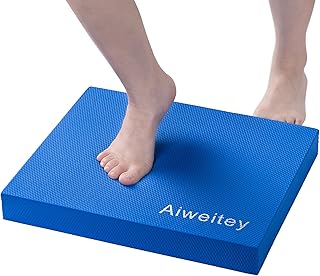
Stability Trainer Pad
Why We Love It

Bosu NEXGEN Balance Strength Trainer
Why We Love It

OPTP Dynamic Duo Balance & Stability Trainers – Blue
Why We Love It

ProsourceFit Exercise Balance Pad
Why We Love It

SIDEKICK | AxisBoard Balance Board for Foot & Ankle Rehab
Why We Love It
Quick Pick
10 Best Balance Trainers Of 2026
Quick Pick
SKY-TOUCH Balance Ball Exercise Ball, Yoga Balance Trainer Thickened Stability, Half Ball with Resistant Band, Strength Exercise Fitness Blue
Amazon Basics
Bosu 72-10850-2XPQ Balance Trainer
Lifepro Half Exercise Ball Trainer, Balance Ball for Core & Yoga- 350 lbs
PROIRON Wobble Balance Board, Non-Slip Balance Trainer for Stability training, Core Strength, Rehabilitation, Exercise, Fitness, Adult Physio, Kids Sensory, Home Gym Workout Equipment Men Women, 41cm
Stability Trainer Pad - Foam Balance Exercise Pad Cushion for Therapy, Yoga, Dancing Balance Training, Pilates,and Fitness
Bosu NEXGEN Balance Strength Trainer, Multi-Functional 26" Exercise Ball, Home Gym Equipment for Full Body Workouts
OPTP Dynamic Duo Balance & Stability Trainers – Blue, Set of 2, 8 1/4"
ProsourceFit Exercise Balance Pad, Non-Slip Cushioned Foam Mat & Knee Pad for Fitness and Stability Training, Yoga, Physical Therapy
SIDEKICK | AxisBoard Balance Board for Foot & Ankle Rehab | PT Training System with Exercise Programs for Plantar Fasciitis, Achilles Pain & Ankle Sprains | Sidekick App + Guide Included
Buying Guide: Balance Trainers
📋 Table of Contents
1What's the difference between a balance disc and a balance ball?
Balance discs are flat, portable, and better for core work while sitting or standing in one spot, while balance balls are larger and require more space but offer greater range of motion for exercises. Choose a disc if you want something compact for your desk or small workouts, and a ball if you have room and want variety in your training routine.
2How do I know what diameter balance ball to buy?
Your height determines the right size—typically 45cm for people under 160cm, 55cm for 160-180cm, and 65cm+ for taller users. When sitting on the ball with feet flat on the ground, your hips and knees should form roughly a 90-degree angle.
3What weight capacity should I check?
Most balance trainers list a maximum weight capacity—make sure it exceeds your body weight by at least 20kg for safety and durability. Cheaper models often have lower limits, so this is worth verifying before purchase if you're on the heavier side.
4Are anti-burst balance balls worth the extra cost?
Yes, if you use it frequently or intensively—anti-burst balls won't deflate suddenly if punctured and are safer around children or pets. Standard balls are fine for occasional use, but the difference in lifespan justifies spending more for regular trainers.
5What should I look for in a balance disc for stability?
Check the material thickness, grip texture, and whether it has a textured or spiky surface for better foot contact. A heavier, thicker disc will feel more stable for beginners, while lighter versions challenge your balance more but are harder to control when starting out.
How we choose
Our editors are people who genuinely love testing and writing about products. We compare each product's real-world usability and strengths, then distill what matters most into our own "Why We Love It" points — so you get an honest, at-a-glance sense of what counts before you buy.