10 Best Audio Technica Studio Monitors Of 2026
Audio Technica Studio Monitors — Reviews, Recommendations & Updated Buying Guide November 2026


Audio-Technica ATH-M50x BK Professional Monitor Headphones
Why We Love It


Audio-Technica ATH-E50 Professional In-Ear Studio Monitor
Why We Love It

Audio-Technica ATH-M60xa Monitor Headphone
Why We Love It
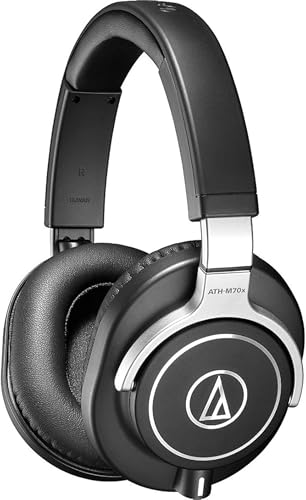
Audio-Technica ATH-M70x Closed-Back Dynamic Professional
Why We Love It

M-AUDIO BX5BT 5" Desktop Studio Monitors Pair | Bluetooth
Why We Love It

M-AUDIO Forty Eighty 8" Studio Monitor Speaker
Why We Love It

ADAM Audio T8V Studio Monitor Single
Why We Love It
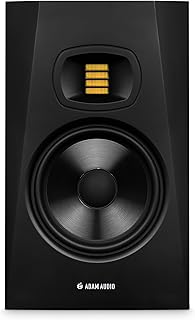
ADAM Audio T7V Nearfield Powered Studio Monitor (Single)
Why We Love It

Pioneer Dj Dm-40-W White Studio Monitors
Why We Love It

Audio Technica ATH E40 in Ear Monitor Headphones
Why We Love It
Quick Pick
10 Best Audio Technica Studio Monitors Of 2026
Quick Pick
Audio-Technica ATH-M50x BK Professional Monitor Headphones,Black
Audio-Technica ATH-E50 Professional In-Ear Studio Monitor Headphones
Audio-Technica ATH-M60xa Monitor Headphone, Wired Studio, On-Ear, Recording, Mixing, DJ, Track Making, DTM
Audio-Technica ATH-M70x Closed-Back Dynamic Professional Studio Monitor Headphones
M-AUDIO BX5BT 5" Desktop Studio Monitors Pair | Bluetooth, DSP, App Control, for Mixing, Video Editing, Podcasting, Music Production Software Suite Included
M-AUDIO Forty Eighty 8" Studio Monitor Speaker | Precision DSP Crossover, EQ, Control App, and Bluetooth for Professional Mixing and Production
ADAM Audio T8V Studio Monitor Single
ADAM Audio T7V Nearfield Powered Studio Monitor (Single)
Pioneer Dj Dm-40-W White Studio Monitors, Wired
Audio Technica ATH E40 in Ear Monitor Headphones
Buying Guide: Audio Technica Studio Monitors
📋 Table of Contents
1What frequency response range is best for accurate sound?
Look for 40-20,000Hz for full-range audio coverage. A flatter response (±2dB) ensures accurate sound without coloration, while sub-bass-heavy or rolled-off highs can mislead your mixing or mastering.
2Should I choose active or passive monitors?
Active monitors have built-in amps and are easier to set up, ideal for most home studios. Passive models require external amps and are better for advanced setups where you want full control over the signal chain.
3How important is speaker size for my studio space?
5-8 inch drivers suit small rooms and near-field monitoring, while 10+ inch models work for larger spaces and low-end-heavy work like bass or EDM. Too large in a small room causes muddiness; too small lacks depth.
4What connectivity options should I look for?
XLR or 1/4” balanced inputs reduce noise over long cables. USB or Bluetooth are for convenience but add latency, making them unsuitable for serious tracking or mixing. Prioritize analog inputs for studio-grade performance.
5Are acoustic treatments necessary when using studio monitors?
Yes — untreated rooms cause reflections and false sound. At minimum, add bass traps in corners and absorption panels on first reflection points. Monitors can’t compensate for poor acoustics, no matter how accurate they are.
How we choose
Our editors are people who genuinely love testing and writing about products. We compare each product's real-world usability and strengths, then distill what matters most into our own "Why We Love It" points — so you get an honest, at-a-glance sense of what counts before you buy.