10 Best Audio Technica Microphones Of 2026
Audio Technica Microphones — Reviews, Recommendations & Updated Buying Guide November 2026


Audio-Technica 2020 Cardioid Condenser Microphone Black
Why We Love It


Audio-Technica 20 Series AT2035 Condenser Studio Microphone
Why We Love It
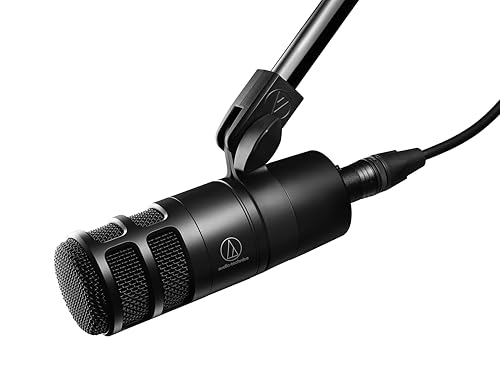
Audio-Technica 2040 Hypercardioid Dynamic Podcast Microphone
Why We Love It

Audio-Technica AT875R Condenser Microphone
Why We Love It

Audio-Technica AT2020USB-X Cardioid Condenser USB Microphone
Why We Love It

Audio-Technica System 10 ATW-1102 Wireless Handheld
Why We Love It

Audio-Technica Atr4750-Usb Omnidirectional Condenser Digital
Why We Love It

Audio-Technica ATR2500x-USB Cardioid Condenser Microphone
Why We Love It

Audio-Technica 2020GM Cardioid Condenser Microphone Silver
Why We Love It

Audio-Technica ATR1500x Handheld Microphone For Vocals And
Why We Love It
Quick Pick
10 Best Audio Technica Microphones Of 2026
Quick Pick
Audio-Technica 2020 Cardioid Condenser Microphone Black
Audio-Technica 20 Series AT2035 Condenser Studio Microphone, Cardioid, Black
Audio-Technica 2040 Hypercardioid Dynamic Podcast Microphone Black
Audio-Technica AT875R Condenser Microphone, 9.5 x 5 x 2.75 inches
Audio-Technica AT2020USB-X Cardioid Condenser USB Microphone
Audio-Technica System 10 ATW-1102 Wireless Handheld Microphone System
Audio-Technica Atr4750-Usb Omnidirectional Condenser Digital Gooseneck Microphone
Audio-Technica ATR2500x-USB Cardioid Condenser Microphone (ATR Series)
Audio-Technica 2020GM Cardioid Condenser Microphone Silver
Audio-Technica ATR1500x Handheld Microphone For Vocals And Instruments
Buying Guide: Audio Technica Microphones
📋 Table of Contents
1What microphone type is best for my use?
Dynamic mics are durable and ideal for loud sources like vocals or instruments; condenser mics offer higher sensitivity and clarity, perfect for studio vocals or acoustic recordings. Ribbon mics are warm but fragile, best for controlled environments and smooth tones.
2How important is polar pattern selection?
Cardioid mics pick up sound from the front and reject background noise, great for vocals and solo instruments. Omnidirectional mics capture sound from all directions, useful for ambient recordings or group vocals. Choose based on your recording environment and noise control needs.
3What sample rate and bit depth should I look for?
For high-quality recordings, aim for a minimum of 44.1kHz sample rate and 24-bit depth. These settings ensure detailed audio capture and flexibility during post-production, especially for music or professional voiceovers.
4Do I need a pop filter or shock mount?
A pop filter reduces plosive sounds like 'p' and 'b' in vocal recordings, while a shock mount isolates the mic from vibrations and handling noise. Both are essential for clean, professional-sounding audio, especially in home setups.
5Is USB or XLR connection better for me?
USB mics are plug-and-play and great for podcasting or streaming without extra gear. XLR mics require an audio interface but offer higher quality and flexibility for studio use. Choose based on your setup and audio quality needs.
How we choose
Our editors are people who genuinely love testing and writing about products. We compare each product's real-world usability and strengths, then distill what matters most into our own "Why We Love It" points — so you get an honest, at-a-glance sense of what counts before you buy.