10 Best Audio Mixers For Recording Of 2026
Audio Mixers For Recording — Reviews, Recommendations & Updated Buying Guide November 2026


FIFINE Gaming Audio Mixer
Why We Love It

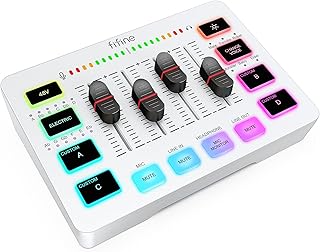
FIFINE AmpliGame SC3 White Audio Mixer for
Why We Love It

SINWE Podcast Equipment Bundle
Why We Love It

FIFINE Gaming Equipment Bundle
Why We Love It

FIFINE AmpliGame KS5W Streaming Equipment Bundle
Why We Love It

Audio Mixer 5 Channel BT Sound DJ Stereo Mixing Console USB
Why We Love It

SKEIDO V8 Multifunctional Live Sound Card USB Audio
Why We Love It

Behringer FLOW 8 8-Input Digital Mixer with Bluetooth Audio
Why We Love It

KASTWAVE 4 Channel Mixer for Streaming
Why We Love It

Mini 4 Channel Audio Mixer Portable 5V Metal Low Noise Sound
Why We Love It
Quick Pick
10 Best Audio Mixers For Recording Of 2026
Quick Pick
FIFINE Gaming Audio Mixer, Streaming RGB PC Mixer with XLR Microphone Interface, Individual Control, Volume Fader, Mute Button, 48V Phantom Power, for Podcast/Recording/Vocal/Game Voice-AmpliGame SC3 | USB PnP For PC,Mute Button,XLR Preamp,RGB,Voice change,48V Phantom Power,Monitoring,Podcast,Recording,Vocal,Streaming
FIFINE AmpliGame SC3 White Audio Mixer for Gaming/Video/Podcast Recording | Streaming RGB PC Mixer, XLR Microphone Interface, Individual Control, Volume Fader, Mute Button, 48V Phantom Power
SINWE Podcast Equipment Bundle, Condenser Microphone with Tripod Stand and Professional Audio Mixer for Studio Recording Vocals, Voice Overs, Streaming Broadcast and YouTube Videos
FIFINE Gaming Equipment Bundle, Dynamic XLR/USB Gaming Microphone Set with Streaming Audio Mixer for Podcast Recording Video Vocal, RGB Gamer Set with Volume Fader/XLR Interface for PC-AmpliGame KS5
FIFINE AmpliGame KS5W Streaming Equipment Bundle, XLR/USB Microphone Set
Audio Mixer 5 Channel BT Sound DJ Stereo Mixing Console USB for Performance Stage Podcasting Recording PC 48V Phantom Power Reverb Effects
SKEIDO V8 Multifunctional Live Sound Card USB Audio Interface Intelligent Volume Adjustable Audio Mixer Sound Card for Recording Hosting Speech(not for PS5)
Behringer FLOW 8 8-Input Digital Mixer with Bluetooth Audio and App Control, 60 mm Channel Faders, 2 FX Processors and USB/Audio Interface, Compatible with PC and Mac
KASTWAVE 4 Channel Mixer for Streaming, Professional Mini 4 Stereo Audio Mixer, Low Noise DJ Mixer, 48V Phantom Power, USB Audio Interface for Podcasting, Live Performance, Recording, DJ, PC
Mini 4 Channel Audio Mixer Portable 5V Metal Low Noise Sound Mixer for Guitar, Bass, Keyboard, Microphone with Independent Volume Control, For Live Sound, Recording, Podcast, DJ Equipment (Grey)
Buying Guide: Audio Mixers For Recording
📋 Table of Contents
1How many input channels do I actually need for home recording?
For solo artists or small bands, 4-8 inputs are usually enough. If you plan to record multiple instruments or a full band at once, look for 8-16 inputs to avoid overloading or needing extra mixers.
2What's the difference between analog and digital mixers for recording?
Analog mixers offer warm, natural sound and hands-on control, while digital mixers provide more effects, routing options, and integration with DAWs. Choose analog for simplicity and tone, or digital for flexibility and features.
3Should I prioritize preamp quality over brand name?
Yes — clean, low-noise preamps are crucial for capturing clear recordings. Look for mixers with at least 24-bit/192kHz resolution and a good signal-to-noise ratio, even if it means choosing a lesser-known brand with better specs.
4What's the ideal number of auxiliary sends for a home setup?
At least two aux sends are recommended for monitoring and effects. More sends (3-4) allow for custom mixes for each musician, which is helpful in multi-track or live-to-tape recording sessions.
5Are USB or FireWire connections better for recording?
USB is more common and easier to use with most computers, while FireWire offers lower latency and higher data throughput. For most home users, USB 2.0 or 3.0 is sufficient, but FireWire is better for complex sessions with many tracks or plugins.
How we choose
Our editors are people who genuinely love testing and writing about products. We compare each product's real-world usability and strengths, then distill what matters most into our own "Why We Love It" points — so you get an honest, at-a-glance sense of what counts before you buy.