10 Best Apple Macbook Of 2026
Apple Macbook — Reviews, Recommendations & Updated Buying Guide November 2026


Apple 2026 MacBook Neo 13-inch Laptop with A18 Pro chip:
Why We Love It

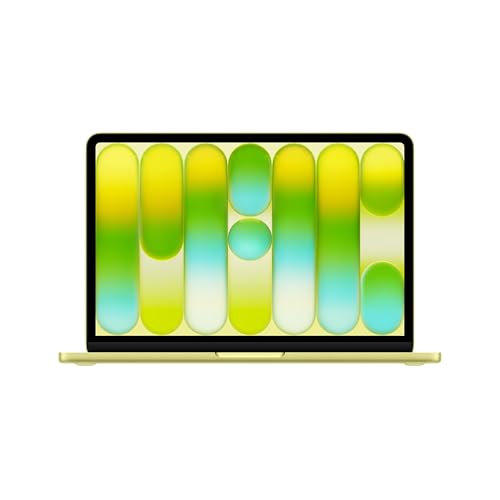
Apple 2026 MacBook Neo 13-inch Laptop with A18 Pro chip:
Why We Love It

Apple 2026 MacBook Air 13-inch Laptop with M5 chip: AI and
Why We Love It

Apple 2026 MacBook Pro Laptop with M5 Pro chip with 15 CPU
Why We Love It

Apple 2024 MacBook Pro (14-inch
Why We Love It

Apple 2020 MacBook Air Laptop: Apple M1 Chip
Why We Love It

Apple 2026 MacBook Pro Laptop with M5 Max chip with 18 CPU
Why We Love It

2020 MacB00K Pro Laptop | Core i7
Why We Love It
2020 MacB00K Pro Laptop | 16GB RAM
Why We Love It

2019 MacB00K Pro Laptop | 32GB RAM
Why We Love It
Quick Pick
10 Best Apple Macbook Of 2026
Quick Pick
Apple 2026 MacBook Neo 13-inch Laptop with A18 Pro chip: Built for AI and Apple Intelligence, Liquid Retina Display, 8GB Unified Memory, 256GB SSD Storage; Blush; English
Apple 2026 MacBook Neo 13-inch Laptop with A18 Pro chip: Built for AI and Apple Intelligence, Liquid Retina Display, 8GB Unified Memory, 512GB SSD Storage, Touch ID; Citrus; English
Apple 2026 MacBook Air 13-inch Laptop with M5 chip: AI and Apple Intelligence, 13.6-inch Liquid Retina Display, 16GB Unified Memory, 512GB SSD Storage, 12MP Center Stage Camera; ;Arabic
Apple 2026 MacBook Pro Laptop with M5 Pro chip with 15 CPU and 16 GPU: Built for AI, 14.2-inch Liquid Retina XDR Display, 24GB Unified Memory, 1TB SSD Storage; Space Black; English
Apple 2024 MacBook Pro (14-inch, Apple M4 Pro chip with 12-core CPU and 16-core GPU, 24GB Unified Memory, 512GB) - Silver
Apple 2020 MacBook Air Laptop: Apple M1 Chip, 13” Retina Display, 8GB RAM, 256GB SSD Storage, Backlit Keyboard, FaceTime HD Camera, Touch ID. Works with iPhone/iPad; Space Gray ; English
Apple 2026 MacBook Pro Laptop with M5 Max chip with 18 CPU and 40 GPU: Built for AI, 16.2-inch Liquid Retina XDR Display, 48GB Unified Memory, 2TB SSD Storage; Space Black; English
2020 MacB00K Pro Laptop | Core i7, 32GB RAM, 512GB SSD | 13.3 Inch Display, 2.3GHz quad-core Intel | Intel Iris Plus Graphics | Charger for Apple Macbook Pro Laptop (Renewed)
2020 MacB00K Pro Laptop | 16GB RAM, 512GB SSD, Core i5 | 13.3 Inch Display, 2.0GHz quad-core Intel | Intel Iris Plus Graphics | Charger for Apple Macbook Pro Laptop (Renewed)
2019 MacB00K Pro Laptop | 32GB RAM, 512GB SSD, Core i7 | 16 Inch Display, 2.6GHz 6‑core | AMD Radeon Pro 5300M-4GB Graphics | Charger for Apple Macbook Pro Laptop (Renewed)
Buying Guide: Apple Macbook
📋 Table of Contents
1How much RAM do I actually need for everyday use?
For basic tasks like web browsing and office apps, 8GB is sufficient. If you multitask heavily or use photo/video editing software, aim for at least 16GB. More than 32GB is usually only necessary for advanced workstations or gaming laptops.
2Is an SSD or HDD better for storage, and why?
SSDs are faster, more durable, and boot up systems in seconds, making them ideal for most users. HDDs offer more storage for the price but are slower and more prone to damage. A hybrid setup (SSD for the OS and HDD for files) can be a good middle ground.
3What screen size and resolution should I choose for my needs?
13-14 inches is great for portability, while 15-17 inches suits media consumption and productivity. For clarity, 1080p is standard, but 4K is ideal for creative work. Higher resolution on smaller screens can strain the eyes, so balance size and pixels carefully.
4How long should a laptop battery last for all-day use?
Look for at least 8-10 hours of battery life for general use. Laptops with OLED screens or low-power processors often last longer. Actual runtime depends on brightness, apps, and background processes, so check real-world reviews for accuracy.
5What are the most important ports to look for?
At minimum, include USB-A, USB-C (preferably Thunderbolt 3 or 4), and an HDMI port for connecting to external displays. A card reader and headphone jack are also handy for some users. Consider docking stations if you need more connectivity.
How we choose
Our editors are people who genuinely love testing and writing about products. We compare each product's real-world usability and strengths, then distill what matters most into our own "Why We Love It" points — so you get an honest, at-a-glance sense of what counts before you buy.