10 Best Analog Preamps Of 2026
Analog Preamps — Reviews, Recommendations & Updated Buying Guide November 2026


SONICAKE Bass Pedal Overdrive Analog Preamp Compression
Why We Love It


SONICAKE Acoustic Multi Effects Pedal Preamp Chorus Delay
Why We Love It
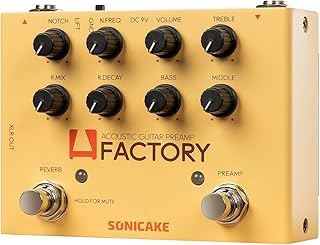
SONICAKE Acoustic Guitar Effects Pedal Preamp Chorus Delay
Why We Love It

Fosi Audio GR40 Tube Preamplifier with DAC
Why We Love It

Fishman Platinum Pro EQ/DI Analog Preamp Pedal
Why We Love It

Behringer Xenyx X1003B Premium Analog Mixer with 5 Mic
Why We Love It

TC Electronic SCF Gold SE Analog Stereo Chorus/Flanger Pedal
Why We Love It
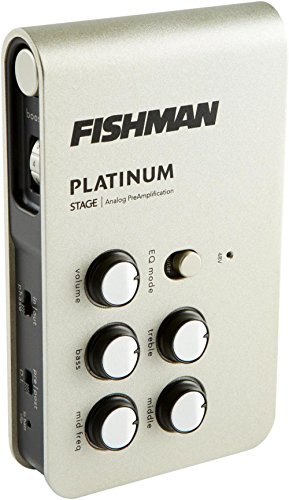
Fishman Platinum Stage Guitar Preamp
Why We Love It

Universal Audio Volt 176 USB Audio Interface
Why We Love It

Behringer U-Phono UFO202 USB Audio Interface with Phono
Why We Love It
Quick Pick
10 Best Analog Preamps Of 2026
Quick Pick
SONICAKE Bass Pedal Overdrive Analog Preamp Compression Effects Pedal and 3-Band EQ via Pre/Post Selection with XLR Output B Factory
SONICAKE Acoustic Multi Effects Pedal Preamp Chorus Delay Reverb Acoustic | Guitar Effect Pedal with XLR Output Sonic Wood
SONICAKE Acoustic Guitar Effects Pedal Preamp Chorus Delay Reverb Dual Footswitch Acoustic Pedal with XLR Output A Factory
Fosi Audio GR40 Tube Preamplifier with DAC, 3.5mm Bluetooth Headphone Amp
Fishman Platinum Pro EQ/DI Analog Preamp Pedal
Behringer Xenyx X1003B Premium Analog Mixer with 5 Mic Preamps and Optional Battery Operation
TC Electronic SCF Gold SE Analog Stereo Chorus/Flanger Pedal (Special Edition Gold)
Fishman Platinum Stage Guitar Preamp - Analogue Preamp for Guitar - Black
Universal Audio Volt 176 USB Audio Interface
Behringer U-Phono UFO202 USB Audio Interface with Phono Preamp
Buying Guide: Analog Preamps
📋 Table of Contents
1What input impedance should I look for in an analog preamp?
Aim for at least 10kΩ to 1MΩ for passive microphones and instruments to avoid signal loss or coloration. Higher impedance ensures cleaner, more accurate signal transfer, especially with high-output sources like ribbon mics or electric guitars.
2Does the type of gain control matter for my setup?
Yes — fixed-gain preamps are best for consistent sources like line-level signals, while variable-gain models (20-60dB range) suit dynamic sources like mics or instruments. Variable gain gives more flexibility in capturing quiet or loud signals without distortion.
3What’s the difference between tube and solid-state preamps?
Tube preamps add warmth and harmonic distortion, ideal for vocals and acoustic instruments. Solid-state preamps offer cleaner, more transparent sound with lower noise, making them better for tracking electric guitars or when a neutral tone is needed. Choose based on your desired sonic character.
4How important is a 48V phantom power switch?
Essential if you use condenser microphones, which require 48V to operate. Always check that the preamp has a dedicated switch to enable or disable phantom power to avoid damaging ribbon mics or other passive gear accidentally connected.
5Are balanced XLR outputs a must-have feature?
Yes — balanced XLR outputs reduce noise and interference over long cable runs, making them ideal for studio or live use. Unbalanced outputs (like 1/4”) are more prone to hum and signal loss, especially in environments with electrical equipment nearby.
How we choose
Our editors are people who genuinely love testing and writing about products. We compare each product's real-world usability and strengths, then distill what matters most into our own "Why We Love It" points — so you get an honest, at-a-glance sense of what counts before you buy.