10 Best Analog Guitar Pedals Of 2026
Analog Guitar Pedals — Reviews, Recommendations & Updated Buying Guide November 2026


Behringer Vintage Delay VD400 Vintage Analog Delay Effects
Why We Love It

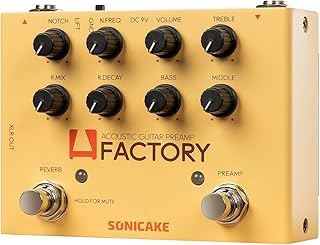
SONICAKE Acoustic Guitar Effects Pedal Preamp Chorus Delay
Why We Love It

SONICAKE Octave Guitar Pedal Octave Pedal Guitar Effects
Why We Love It

AZOR Vintage Phaser Guitar Effect Pedal Mini Pedal Pure
Why We Love It

Donner Digital Delay Pedal
Why We Love It

Donner Chorus Pedal
Why We Love It

Donner Compressor for Electric Guitar
Why We Love It
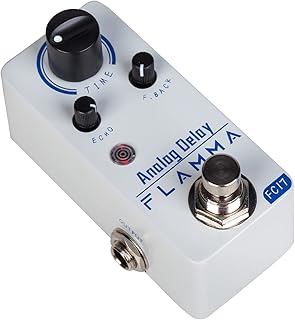
FLAMMA FC17 Analog Delay Pedal Vintage Delay Effects
Why We Love It

SONICAKE Acoustic Multi Effects Pedal Preamp Chorus Delay
Why We Love It

SONICAKE Bass Pedal Overdrive Analog Preamp Compression
Why We Love It
Quick Pick
10 Best Analog Guitar Pedals Of 2026
Quick Pick
Behringer Vintage Delay VD400 Vintage Analog Delay Effects Pedal, Grey
SONICAKE Acoustic Guitar Effects Pedal Preamp Chorus Delay Reverb Dual Footswitch Acoustic Pedal with XLR Output A Factory
SONICAKE Octave Guitar Pedal Octave Pedal Guitar Effects Pedal Analog Classic Bass Octaver True Bypass
AZOR Vintage Phaser Guitar Effect Pedal Mini Pedal Pure Analog Processor with True Bypass AP-301
Donner Digital Delay Pedal, Echo Square Delay Guitar Pedal, 7 Effects Digital Analog Tape Mod Sweep Lofi Reverse for Electric Guitar and Bass True Bypass
Donner Chorus Pedal, Tutti Love Analog Chorus Effect Classic Warm Chorus for Electric Guitar True Bypass
Donner Compressor for Electric Guitar, Compression Effect Pedal Ultimate Comp Guitar Effect Pedal
FLAMMA FC17 Analog Delay Pedal Vintage Delay Effects Electric Guitar Pedal True Bypass
SONICAKE Acoustic Multi Effects Pedal Preamp Chorus Delay Reverb Acoustic | Guitar Effect Pedal with XLR Output Sonic Wood
SONICAKE Bass Pedal Overdrive Analog Preamp Compression Effects Pedal and 3-Band EQ via Pre/Post Selection with XLR Output B Factory
Buying Guide: Analog Guitar Pedals
📋 Table of Contents
1What signal input impedance should I look for in an analog pedal?
Aim for at least 1MΩ input impedance to preserve your guitar’s tone and prevent signal loss. Lower values can muddy high frequencies, especially with passive pickups, so higher impedance ensures a cleaner, more dynamic signal path.
2Does the pedal’s power supply matter for sound quality?
Yes — use a high-quality, isolated 9V DC power supply to avoid noise and hum. Cheap or unregulated power sources can introduce interference, especially in multi-pedal setups, degrading the analog signal’s clarity and warmth.
3What’s the difference between true bypass and buffered bypass?
True bypass disconnects the pedal from the signal chain, preserving tone when off, but can cause tone loss in long cable runs. Buffered bypass adds a preamp to maintain signal strength, ideal for complex pedalboards but may slightly alter your tone when engaged.
4How important is the pedal’s enclosure material?
Metal enclosures offer superior durability and shielding against interference, while plastic is lighter and cheaper. For gigging, metal is worth the weight; for home use, plastic may suffice, but ensure it’s thick and well-sealed to avoid rattles or noise.
5Are potentiometers (knobs) a sign of build quality?
Yes — high-quality, 10-turn or 250k–500kΩ audio taper pots provide smoother, more precise control and last longer. Cheap, no-name pots can feel loose or crack over time, affecting your tone and the pedal’s longevity.
How we choose
Our editors are people who genuinely love testing and writing about products. We compare each product's real-world usability and strengths, then distill what matters most into our own "Why We Love It" points — so you get an honest, at-a-glance sense of what counts before you buy.