10 Best 70mm Telescopes Of 2026
70mm Telescopes — Reviews, Recommendations & Updated Buying Guide November 2026

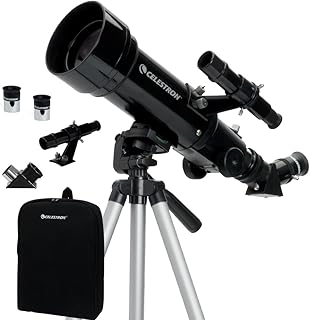
Celestron Travel Scope 70 Portable Refractor Telescope
Why We Love It


Celestron 21035-ADS Travel Scope 70 Refractor Telescope Kit
Why We Love It

Telescope, 70mm Aperture (15X-150X) Portable Refractor
Why We Love It

Gskyer Telescope
Why We Love It

Gskyer Telescope
Why We Love It

Celestron 11069 NexStar 8SE Computerised Schmidt-Cassegrain
Why We Love It

TDOO Portable Telescope 70mm Aperture 500mm for Kids &
Why We Love It

Telescope, 50mm Aperture 360mm Astronomical Refractor
Why We Love It

Telescope for Adults & Kids
Why We Love It

Portable Telescope 70mm Aperture 500mm for Kids & Adults &
Why We Love It
Quick Pick
10 Best 70mm Telescopes Of 2026
Quick Pick
Celestron Travel Scope 70 Portable Refractor Telescope – 70mm Aperture, Fully-Coated Glass Optics – Includes Tripod, Backpack & Software – Ideal for Beginners & Travel
Celestron 21035-ADS Travel Scope 70 Refractor Telescope Kit with Backpack, Black (Amazon Exclusive Including Additional 4mm Eyepiece and 3x Barlow Lens)
Telescope, 70mm Aperture (15X-150X) Portable Refractor Telescopes for Adults/Astronomy Beginners,300mm Professional Travel Telescope with Smartphone Adapter, Wireless Remote, Sun Filter (Black Short)
Gskyer Telescope, 70mm Aperture 400mm AZ Mount Astronomical Refracting Telescope for Kids Beginners - Travel Telescope with Carry Bag, Phone Adapter and Wireless Remote.
Gskyer Telescope, 70 mm aperture 400 AZ-mount astronomical refraction for children and beginners, travel telescope adults, D-70400
Celestron 11069 NexStar 8SE Computerised Schmidt-Cassegrain Telescope with Fully Automated Mount, SkyAlign Technology and XLT Coating, Black/ Orange
TDOO Portable Telescope 70mm Aperture 500mm for Kids & Adults & Beginners, Astronomical Refracting Telescopes Mount Fully Multi-Coated Optics with Retractable Tripod Phone Adapter Carrying Bag (black)
Telescope, 50mm Aperture 360mm Astronomical Refractor Telescope with Tripod Portable Scope and 3 Eyepieces (Blue)
Telescope for Adults & Kids, 70mm Aperture Astronomical Refractor Telescopes for Astronomy Beginners (15X-150X), 300mm Portable Telescope with an Phone Adapter & A Wireless Remote
Portable Telescope 70mm Aperture 500mm for Kids & Adults & Beginners, Astronomical Refracting Telescopes Mount Fully Multi-Coated Optics with Retractable Tripod Phone Adapter Carrying Bag
Buying Guide: 70mm Telescopes
📋 Table of Contents
1What magnification range should I expect from a 70mm telescope?
A 70mm telescope typically offers magnifications between 40x and 100x, depending on the eyepiece used. Higher magnifications can be achieved with Barlow lenses, but they reduce image brightness and sharpness. For planetary viewing, 60x–80x is ideal, while 40x–60x works better for deep-sky objects.
2Is a 70mm aperture sufficient for deep-sky observing?
A 70mm aperture gathers moderate light, making it suitable for observing brighter deep-sky objects like star clusters and nebulae under dark skies. However, it struggles with fainter objects like galaxies or dim nebulae. For best results, use a low-power eyepiece and a light-pollution filter if you're in a city.
3What type of telescope is best suited for a 70mm aperture?
A 70mm telescope is most commonly found in refractors or Maksutov-Cassegrain designs. Refractors offer sharp, high-contrast images and are great for planetary viewing, while Maksutovs are compact and good for both planets and deep sky. Avoid Newtonian reflectors with this small aperture, as they suffer from optical aberrations.
4What accessories are essential for a 70mm telescope?
A good quality eyepiece set (e.g., 25mm, 10mm, and 4mm) is essential for different magnifications. A red dot finder or star pointer improves targeting, and a sturdy tripod ensures stability. A dew shield and lens cap are also useful for protecting the optics and reducing dew buildup during long sessions.
5Is a 70mm telescope good for beginners?
Yes, a 70mm telescope is an excellent choice for beginners due to its portability, affordability, and ease of use. It’s ideal for learning the night sky, observing the Moon, planets, and brighter deep-sky objects. However, it may not provide the best views of faint objects, so consider upgrading to a larger aperture as your skills improve.
How we choose
Our editors are people who genuinely love testing and writing about products. We compare each product's real-world usability and strengths, then distill what matters most into our own "Why We Love It" points — so you get an honest, at-a-glance sense of what counts before you buy.