10 Best 65w Keyboard Amplifier Of 2026
65w Keyboard Amplifier — Reviews, Recommendations & Updated Buying Guide November 2026


Positive Grid Spark EDGE 65W Smart Guitar Amplifier 4
Why We Love It


Vox, VX50-KB
Why We Love It

Roland KC-220-30W 2x6.5 Keyboard Amp
Why We Love It

Fender Frontman 20G Guitar Amp
Why We Love It

Roland 4-channel Stereo Mixing Keyboard Amplifier
Why We Love It

AIYIMA A70 Balanced Stereo Amplifier with PFFB
Why We Love It
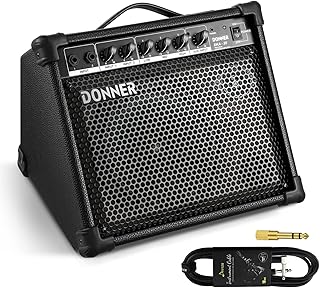
Donner DKA-20 Keyboard Amplifier 20 Watt Keyboard AMP with
Why We Love It
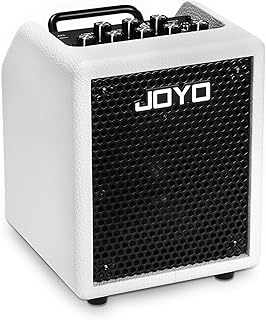
JOYO 30W Bass Combo Amplifier Compact Amp 4" Speaker with
Why We Love It

Fosi Audio V3 300W Class D Stereo Power Amplifier
Why We Love It

SMSL DA100 Power Amplifier 100W TI TAS5827 *2 Class D
Why We Love It
Quick Pick
10 Best 65w Keyboard Amplifier Of 2026
Quick Pick
Positive Grid Spark EDGE 65W Smart Guitar Amplifier 4 Channel and Portable Speaker with Built-in Looper, AI and App for Electric & Acoustic Guitar, Bass, Vocals, Keyboards etc
Vox - VX50-KB - 50W Compact Keyboard Amplifier with NuTube Vacuum Tube
Roland KC-220-30W 2x6.5 Keyboard Amp
Fender Frontman 20G Guitar Amp, 10 Watts, with 2-Year Warranty 6 Inch Fender Special Design Speaker, 10x16x16 inches
Roland 4-channel Stereo Mixing Keyboard Amplifier, 150 watt (KC-400)
AIYIMA A70 Balanced Stereo Amplifier with PFFB,TPA3255 2 Channel Class D Amp for Desktop Home Theater Bookshelf speaker,with XLR & RCA Inputs & Trigger input,with DC48V 5A Power adapter
Donner DKA-20 Keyboard Amplifier 20 Watt Keyboard AMP with Aux in and Two Channels, Bass Guitar Amp, Piano Amplifier, Electronic Drum Speaker Support for Microphone Input
JOYO 30W Bass Combo Amplifier Compact Amp 4" Speaker with 3-Band EQ & Compressor | Bluetooth 5.1 + OTG Direct Recording | Headphone Practice for Bassist Solo Livestream Gigs (VIBE CUBE BA-30, White)
Fosi Audio V3 300W Class D Stereo Power Amplifier, TPA3255 Chip HiFi Audio Amplifier for Home Theater and Bookshelf Speakers, Compact Design with Advanced Heat Dissipation with 32V5A Power Supply
SMSL DA100 Power Amplifier 100W TI TAS5827 *2 Class D Amplifier Stereo Amp | High/Low-Pass 2.1 Sub Bluetooth 5.3 Electronic Volume Control EQ Adjustment BT/USB/HDMI(ARC)/Opt/Line in For Passive speakers
Buying Guide: 65w Keyboard Amplifier
📋 Table of Contents
1Is 65W enough power for live performances or studio use?
65W is suitable for small to medium-sized venues and home studios, offering clear, loud sound without distortion. For larger gigs or outdoor events, consider 100W or more, but 65W is ideal for solo performers or small bands with acoustic-electric setups.
2Should I prioritize RMS power or peak power when comparing amplifiers?
RMS (root mean square) power is the true measure of continuous output and reliability. Peak power is often inflated and only reflects short bursts. A 65W RMS amp will deliver consistent volume and clarity, while a 100W peak amp may not perform as well under sustained use.
3What types of speakers are best for a 65W keyboard amplifier?
Look for 8-12” speakers with a frequency response of 80Hz–20kHz for balanced sound across piano, synths, and vocals. A 10” speaker with a built-in tweeter is a common sweet spot, offering enough bass for electric pianos and clarity for digital keyboards.
4Do I need a separate power amp or is a combo amp sufficient?
A 65W combo amp is usually enough for most keyboardists, combining speaker and amplifier in one unit for portability and ease. Separate power amps are better for custom speaker cabinets or advanced setups, but they add cost and complexity that most casual or semi-pro users don’t need.
5What accessories are essential for a 65W keyboard amp setup?
A 1/4” to 1/4” instrument cable, a power cable, and a stand or cart for the amp are must-haves. A DI box is useful for connecting to PA systems, and a cover protects the amp during transport. Avoid overbuying — most built-in effects and EQ controls on 65W amps are sufficient for live use.
How we choose
Our editors are people who genuinely love testing and writing about products. We compare each product's real-world usability and strengths, then distill what matters most into our own "Why We Love It" points — so you get an honest, at-a-glance sense of what counts before you buy.