10 Best 5.8ghz In Ear Monitor Systems Of 2026
5.8ghz In Ear Monitor Systems — Reviews, Recommendations & Updated Buying Guide November 2026


NUX C-7 5.8GHz Stereo Wireless in-Ear Monitor System
Why We Love It


XVive U45 In-Ear Monitor Wireless System
Why We Love It

XVive U45D Stereo In-Ear Monitor Wireless System
Why We Love It
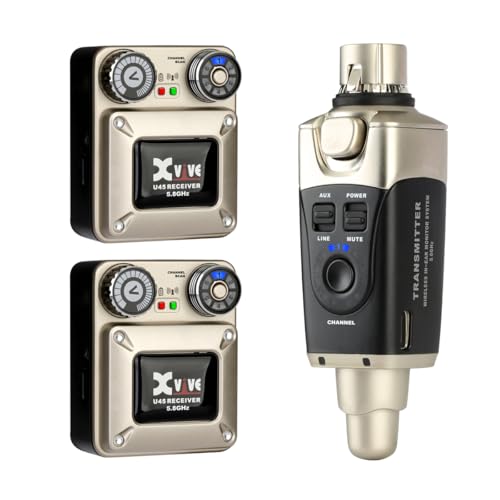
Xvive U45R2 Wireless in Ear Monitor System 5.8ghz IEM System
Why We Love It

XVive U45 In-Ear Monitor Wireless System
Why We Love It
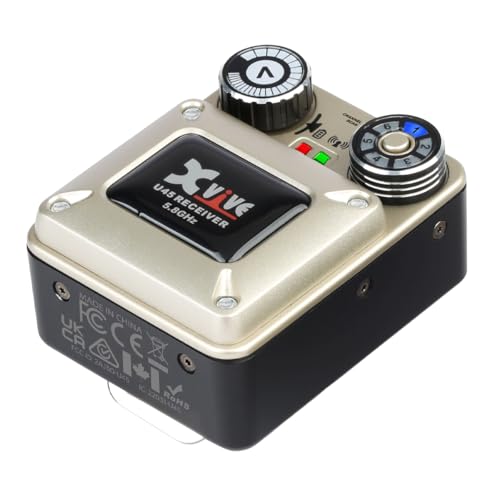
XVive U45 In-Ear Monitor Wireless System
Why We Love It

XVIVE U45T, 5.8 GHZ WIRELESS IN EAR MONITOR SYSTEM
Why We Love It

Xvive U45 Wireless in-Ear Monitor System with 5.8GHz
Why We Love It

EX-GEAR 5.8GHz Wireless in Ear Monitor System
Why We Love It

M-VAVE SWS-12(WP-12) 1T & 4R Wireless in Ear Monitor System
Why We Love It
Quick Pick
10 Best 5.8ghz In Ear Monitor Systems Of 2026
Quick Pick
NUX C-7 5.8GHz Stereo Wireless in-Ear Monitor System
XVive U45 In-Ear Monitor Wireless System, 5.8 GHz, Silver
XVive U45D Stereo In-Ear Monitor Wireless System - 5.8 GHz Wireless Monitoring with Stereo Sound & Low Latency
Xvive U45R2 Wireless in Ear Monitor System 5.8ghz IEM System 1 Transmitter and 2 Bodypack Receiver for Studio, Band Rehearsal, Live Performance, Channel Scan Mode
XVive U45 In-Ear Monitor Wireless System - 5.8GHz Wireless Monitoring Kit - Low Latency - Black
XVive U45 In-Ear Monitor Wireless System - Receiver (Replacement Receiver), 5.8 GHz
XVIVE U45T - 5.8 GHZ WIRELESS IN EAR MONITOR SYSTEM - TRANSMITTER ONLY
Xvive U45 Wireless in-Ear Monitor System with 5.8GHz Transmitter and Receiver
EX-GEAR 5.8GHz Wireless in Ear Monitor System, Stereo IEM System for Stage
M-VAVE SWS-12(WP-12) 1T & 4R Wireless in Ear Monitor System IEM System 2.4GHz Stereo Low Latency One to More Auto Pairing Wireless Monitoring for Guitar Bass Studio Stage Band
Buying Guide: 5.8ghz In Ear Monitor Systems
📋 Table of Contents
1What latency should I look for in a 5.8GHz in-ear monitor system?
Aim for latency under 5ms for live performance use, as higher latency (10ms+) can cause noticeable delay between sound and action. For casual or studio monitoring, 10ms is usually acceptable and more affordable.
2How many channels do I need for my setup?
Single-channel systems work for solo performers or vocalists, while dual-channel systems are essential for musicians needing separate instrument and vocal feeds. Some systems offer 3-4 channels for complex stage setups with multiple inputs.
3What battery life is realistic for wireless in-ear monitors?
Most 5.8GHz systems offer 6-10 hours of continuous use on a full charge, depending on volume and transmitter settings. Always carry spare batteries or a portable charger for long events or multi-set performances.
4Is a digital or analog system better for my needs?
Digital systems offer clearer sound, more channels, and better interference resistance, but analog systems are lighter, simpler, and often more affordable. Choose digital for live performance or studio use, and analog for casual or budget setups.
5What accessories are essential for a complete system?
A carrying case, spare ear tips, and a windscreen for the transmitter are must-haves. For multi-channel systems, a mixer or direct box may be needed to connect instruments or microphones to the transmitter.
How we choose
Our editors are people who genuinely love testing and writing about products. We compare each product's real-world usability and strengths, then distill what matters most into our own "Why We Love It" points — so you get an honest, at-a-glance sense of what counts before you buy.