10 Best 400mm Camera Lenses Of 2026
400mm Camera Lenses — Reviews, Recommendations & Updated Buying Guide November 2026


Canon RF100-400mm F5.6-8 is USM
Why We Love It


Canon RF 100-400 f5.6-f8 is Lens
Why We Love It

Canon 9524B005 EF 100-400mm f/4.5-5.6L IS II USM Lens
Why We Love It

Tamron 50-400mm f/4.5-6.3 Di III VC VXD Lens for Sony Full
Why We Love It

Tamron 50-400mm f/4.5-6.3 Di III VC VXD Lens for Sony
Why We Love It

Sigma 100-400mm F5-6.3 Contemporary DG DN OS for Sony E
Why We Love It

Leofoto VR-400Pro 400mm Three-Pivot Professional Long Lens
Why We Love It

Leofoto SF-06 Replacement Lens Foot for Sony FE 100-400mm
Why We Love It

Sony
Why We Love It
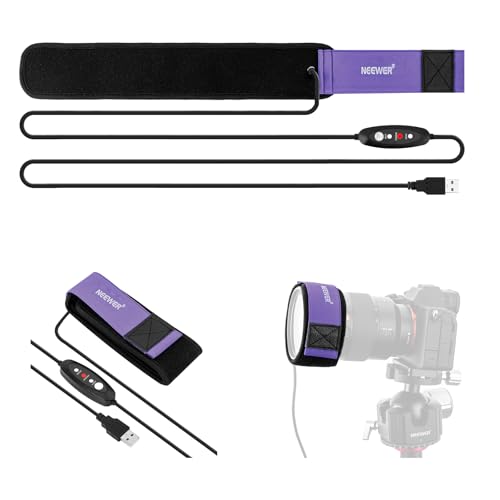
NEEWER 16"/400mm USB Lens Heater Warmer for Camera Telescope
Why We Love It
Quick Pick
10 Best 400mm Camera Lenses Of 2026
Quick Pick
Canon RF100-400mm F5.6-8 is USM | Compatible with EOS R Series Mirrorless Cameras
Canon RF 100-400 f5.6-f8 is Lens
Canon 9524B005 EF 100-400mm f/4.5-5.6L IS II USM Lens
Tamron 50-400mm f/4.5-6.3 Di III VC VXD Lens for Sony Full Frame Mirrorless Cameras UAE Version with UAE Warranty Support
Tamron 50-400mm f/4.5-6.3 Di III VC VXD Lens for Sony E-Mount UAE Version with UAE Warranty Support
Sigma 100-400mm F5-6.3 Contemporary DG DN OS for Sony E Mount
Leofoto VR-400Pro 400mm Three-Pivot Professional Long Lens Support for Large Telephoto Camera Setups, Compatible with Arca-Swiss, Suitable for Wildlife, Sports, and Long-Range Shooting
Leofoto SF-06 Replacement Lens Foot for Sony FE 100-400mm F4.5 GM OSS Lens (SEL100400MC), Arca-Swiss Dovetail Tripod Collar Foot with QD Socket, 1/4" & 3/8" Threads, CNC Aluminum Low-Profile Base
Sony
NEEWER 16"/400mm USB Lens Heater Warmer for Camera Telescope, Dew Heater Strip with 3 Temperature Levels, Prevents Dew Fog Condensation for DSLR Mirrorless Cam Binocular Astrophotography, HW-29B
Buying Guide: 400mm Camera Lenses
📋 Table of Contents
1What aperture size should I look for in a 400mm lens?
For low-light performance and sharp telephoto shots, aim for an f/2.8 or faster aperture. While f/4 lenses are more affordable and lighter, they require more light and may not perform as well in dim conditions or for wildlife photography.
2Is image stabilization (IS) or vibration reduction (VR) worth the extra cost?
Yes — lenses with IS/VR typically offer 3-5 stops of compensation, letting you shoot handheld in low light or at slower shutter speeds. It’s especially valuable for 400mm lenses, where camera shake is more pronounced.
3Should I choose a prime 400mm lens or a zoom like a 200-400mm?
Prime 400mm lenses are sharper, faster, and lighter in f/2.8 versions, but zooms offer flexibility. If you need to cover a range of distances without changing lenses, a 200-400mm f/4 is a good compromise, though it may sacrifice some sharpness and speed.
4What focal length multiplier should I consider if I use a crop-sensor camera?
On APS-C or Micro Four Thirds cameras, a 400mm lens will have a 1.5x to 2x crop factor, effectively giving you 600mm to 800mm reach. This is great for birding or sports, but keep in mind that the field of view will be narrower than on a full-frame body.
5What accessories are essential for a 400mm lens?
A sturdy tripod or monopod is crucial for stability, especially with heavier f/2.8 lenses. A lens hood reduces flare, and a teleconverter (1.4x or 2x) can extend reach, though it may reduce image quality and light intake.
How we choose
Our editors are people who genuinely love testing and writing about products. We compare each product's real-world usability and strengths, then distill what matters most into our own "Why We Love It" points — so you get an honest, at-a-glance sense of what counts before you buy.