10 Best 4.3 Inch Drawknives Of 2026
4.3 Inch Drawknives — Reviews, Recommendations & Updated Buying Guide November 2026

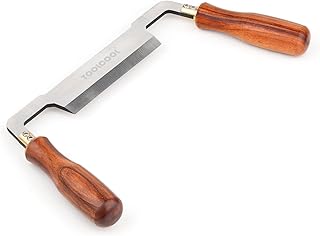
TOOLCOOL Draw Knife Debarking Tool Tree Bark Removal Tool
Why We Love It


DK2's Sign Knife Woodworking Tool 4.3" Drawknife Wood
Why We Love It

4.3inch Draw Shave Knife
Why We Love It
Sorandy 4.3 Inch Straight Wood Bevel Vane/Wing Draw Shave
Why We Love It
Quick Pick
10 Best 4.3 Inch Drawknives Of 2026
Quick Pick
TOOLCOOL Draw Knife Debarking Tool Tree Bark Removal Tool Hardwood Handle 4.3 Inch Straight Blade Drawknife Woodworking Tool
DK2's Sign Knife Woodworking Tool 4.3" Drawknife Wood Cutting Tool Bast Knob Knife Splitting Knife Whittling Debarking Tools
4.3inch Draw Shave Knife, Straight Wood Bevel Blade Draw Knife, Woodworking Debarking Hand Tool with Wood Grip Handles, Ideal for Building Furniture
Sorandy 4.3 Inch Straight Wood Bevel Vane/Wing Draw Shave Knife Woodworking Debarking Hand Tool with Wood Grip Handles for Furniture Building
Buying Guide: 4.3 Inch Drawknives
📋 Table of Contents
1What blade material is best for a 4.3 inch drawknife?
High-carbon steel or tool steel blades offer the best balance of sharpness, durability, and edge retention. Avoid lower-grade steel, which dulls quickly and requires frequent resharpening, especially when working with dense or knotted wood.
2How does the 4.3 inch length affect usability?
A 4.3 inch blade is ideal for precision work like hollowing, shaping, or thinning in tight spaces. It’s shorter than standard drawknives, making it easier to control in confined areas, but less suited for large-scale stock removal compared to longer blades.
3What handle design should I look for?
A full-length, ergonomic handle with a comfortable grip is essential for reducing hand fatigue during extended use. Look for handles made of hardwood or composite materials that provide a secure, non-slip grip, especially when working with wet or slippery wood.
4Is a curved or straight blade better for this size?
Curved blades are typically preferred for 4.3 inch drawknives as they allow for smoother, more controlled cuts and better leverage when peeling or shaping. Straight blades may be harder to maneuver and can cause more hand strain during use.
5What are common mistakes when using a 4.3 inch drawknife?
Many users apply too much pressure, which can lead to splintering or loss of control. Instead, let the blade do the work with a smooth, even motion. Also, avoid using it on dry wood without a lubricant, as this increases the risk of tear-out and blade damage.
How we choose
Our editors are people who genuinely love testing and writing about products. We compare each product's real-world usability and strengths, then distill what matters most into our own "Why We Love It" points — so you get an honest, at-a-glance sense of what counts before you buy.