10 Best 4 String Bass Guitars Of 2026
4 String Bass Guitars — Reviews, Recommendations & Updated Buying Guide November 2026


Ibanez GIO Series GSR180-BEM
Why We Love It


Glarry Electric Bass Guitar Full Size 4 String Rosewood
Why We Love It

D'Addario XL Nickel Bass Guitar Strings 45-100
Why We Love It

Ibanez GSRM20-BS GIO SR MiKro Series Electric Bass Guitar
Why We Love It

D'Addario Bass Guitar Strings - XL Nickel Bass Strings
Why We Love It

Yamaha TRBX174EW Mango Wood 4-String Electric Bass Guitar
Why We Love It

GLARRY 4 String GJazz Electric Bass Guitar Full Size Right
Why We Love It
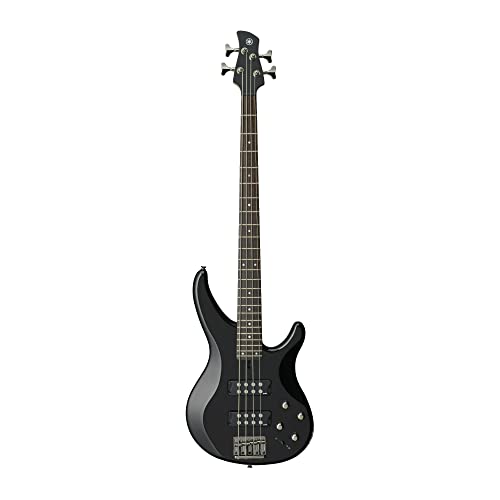
Yamaha TRBX304 BL 4-String Electric Bass Guitar
Why We Love It
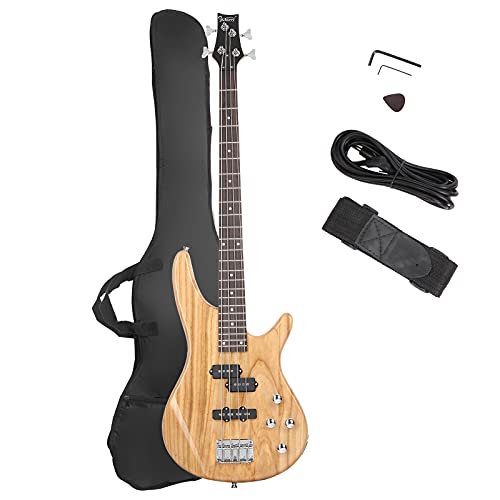
GLARRY Electric Bass Guitar Full Size 4 String Exquisite
Why We Love It

Ernie Ball Medium Scale Regular Slinky Nickel Wound Bass
Why We Love It
Quick Pick
10 Best 4 String Bass Guitars Of 2026
Quick Pick
Ibanez GIO Series GSR180-BEM - Electric Bass Guitar - Baltic Blue Metallic
Glarry Electric Bass Guitar Full Size 4 String Rosewood Basswood Fire Style Exquisite Burning Bass (Dark Blue)
D'Addario XL Nickel Bass Guitar Strings 45-100, 4-String Set
Ibanez GSRM20-BS GIO SR MiKro Series Electric Bass Guitar - 4 String - Brown Sunburst
D'Addario Bass Guitar Strings - XL Nickel Bass Strings - EXL165 - Perfect Intonation, Consistent Feel, Durability - For 4 String Bass Guitars - 45-105 Regular Light Top/Medium Bottom, Long Scale
Yamaha TRBX174EW Mango Wood 4-String Electric Bass Guitar Natural
GLARRY 4 String GJazz Electric Bass Guitar Full Size Right Handed with Guitar Bag, Amp Cord and Beginner Kits (Transparent Yellow)
Yamaha TRBX304 BL 4-String Electric Bass Guitar
GLARRY Electric Bass Guitar Full Size 4 String Exquisite Stylish Bass with Power Line, Bag and Wrench Tool (Natural Wood)
Ernie Ball Medium Scale Regular Slinky Nickel Wound Bass Guitar Strings, 45-105 Gauge (P02856)
Buying Guide: 4 String Bass Guitars
📋 Table of Contents
1What body size and shape should I look for?
Full-size basses (40-41 inches) offer the richest tone and balance, while short-scale models (30-34 inches) are more comfortable for smaller players or those with shorter arm spans. A double-cutaway body improves access to higher frets, especially for lead playing.
2How important is the number of frets?
24 frets give you the most range for playing in higher registers and are ideal for rock or jazz fusion, while 21 or 22 frets suit most pop, R&B, or classic rock styles. More frets don’t always mean better tone — playability and neck comfort matter more.
3What neck construction is best for stability and tone?
Through-body necks offer the most sustain and tuning stability, while bolt-on necks are easier to replace and often preferred for a punchier, brighter tone. Dovetail joints are traditional and warm-sounding but harder to adjust.
4What pickup configuration should I choose?
A split-coil (humbucker) pickup is versatile for most genres, while a single-coil offers a brighter, vintage tone. Active pickups provide a cleaner signal and more output, while passive pickups are simpler and often preferred for a natural, dynamic feel.
5What accessories are essential for a new player?
A padded gig bag or case is a must for protection, along with a set of medium-gauge strings, a clip-on tuner, and a strap. A humidifier is also worth considering if you live in a dry or humid climate to prevent neck warping or cracking.
How we choose
Our editors are people who genuinely love testing and writing about products. We compare each product's real-world usability and strengths, then distill what matters most into our own "Why We Love It" points — so you get an honest, at-a-glance sense of what counts before you buy.