10 Best 4 Channel Car Audio Amplifiers Of 2026
4 Channel Car Audio Amplifiers — Reviews, Recommendations & Updated Buying Guide November 2026


Fosi Audio CA30 4-CH Car Multichannel Amplifier
Why We Love It


Taramps TS 400x4 FULL RANGE 2 Ohms 4 Channels 400 Watts RMS
Why We Love It
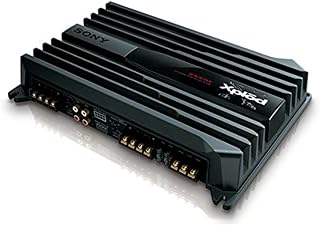
Sony XM-N1004 4-Channel Stereo Car Audio Amplifier (Black)
Why We Love It
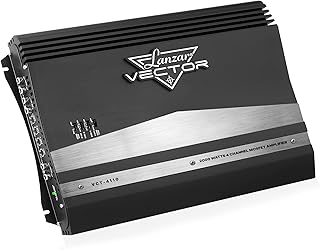
Lanzar VCT4110 4-Channel High Power MOSFET Amplifier
Why We Love It
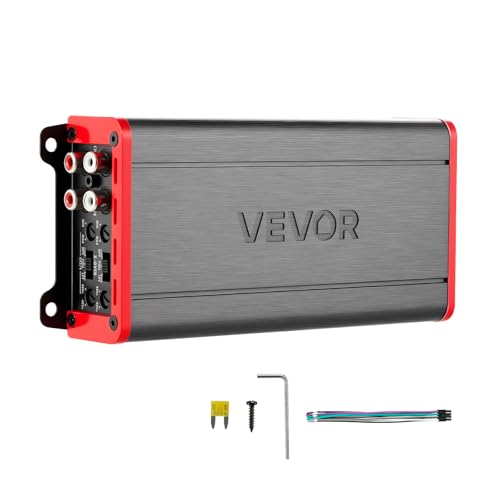
VEVOR Car Audio Amplifier
Why We Love It

BOSS Audio Systems R1100M 1100 Watt Monoblock Car Amplifier
Why We Love It

SounDigital 400X4 Car & Motorcycles Full Range Amplifier 4
Why We Love It

Pioneer GM-DX104 400W Max Class D Bridgeable 4-Channel Car
Why We Love It

Pioneer GM-D9704 1600W Class D 4-Channel Car Amplifer
Why We Love It
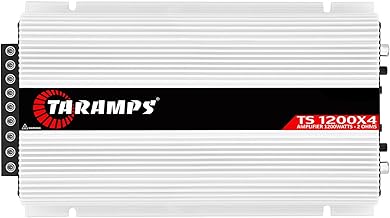
Taramps TS 1200 Watt Amp 4 Channel Amplifier Car Audio
Why We Love It
Quick Pick
10 Best 4 Channel Car Audio Amplifiers Of 2026
Quick Pick
Fosi Audio CA30 4-CH Car Multichannel Amplifier, Independent Crossover RCA/High Level Input, 88% Efficiency 100W x 4 @ 4Ω/320W Bridged, Mini Low Noise HiFi Amp for Vehicle Stereo Audio Sound System
Taramps TS 400x4 FULL RANGE 2 Ohms 4 Channels 400 Watts RMS Class D Car Audio Amplifier Multichannel LED Indicator CROSSOVER Frequency Response 10Hz to 30KHz High Pass and Low Pass
Sony XM-N1004 4-Channel Stereo Car Audio Amplifier (Black)
Lanzar VCT4110 4-Channel High Power MOSFET Amplifier - Slim 2000 Watt Bridgeable Mono Stereo 4 Channel Car Audio Amplifier w/Crossover Frequency,Black, White
VEVOR Car Audio Amplifier, 4-Channel Bridgeable Car Amplifier, Multichannel Class D Stereo Amp, Max. 4 x 272W at 4 Ohms / 4 x 400W at 2 Ohms, High Output, for SUVs, Pickups, and Off-Road Vehicles
BOSS Audio Systems R1100M 1100 Watt Monoblock Car Amplifier
SounDigital 400X4 Car & Motorcycles Full Range Amplifier 4 Channels 400 Watts RMS 4 Ohm - Compact Size - Professional Super Sound Quality
Pioneer GM-DX104 400W Max Class D Bridgeable 4-Channel Car Amplifier | Hi-Res Certified, Gold Terminals, Clean Output, Low Interference
Pioneer GM-D9704 1600W Class D 4-Channel Car Amplifer, With Bass Remote
Taramps TS 1200 Watt Amp 4 Channel Amplifier Car Audio, Full Range Crossover Fixed RCA/Wire Input - Multichannel Class D, 2 Ohm Car Amplifier Kit Profesional Installation Recommended | Full Range Class D amplifier with automatic turn-on, bridgeable channels and RCA inputs for OEM or aftermarket audio.
Buying Guide: 4 Channel Car Audio Amplifiers
📋 Table of Contents
1What RMS power rating is ideal for 4 channel amplifiers?
Look for at least 50-75W RMS per channel for front and rear speakers. For subwoofers, a dedicated mono channel with 200-400W RMS is better than using a full-range 4 channel. RMS power gives real performance, not peak wattage, which is often inflated.
2Should I choose Class AB or Class D amplifiers?
Class D is more efficient and generates less heat, making it ideal for compact or high-power setups. Class AB offers better sound quality at lower volumes but uses more power and needs good ventilation. Choose based on your system size and space constraints.
3What speaker impedance can a 4 channel amp handle safely?
Most 4 channel amplifiers work with 4-ohm speakers, but some can handle 2-ohm loads. Check the amp’s minimum stable impedance rating to avoid overheating or damage. Using 8-ohm speakers will reduce power output but increase safety and longevity.
4Do I need a separate power and ground wire for a 4 channel amp?
Yes — a thick power wire (4-8 AWG) and a dedicated ground wire are essential for stable performance and to prevent noise. Use a fuse near the battery for safety, and ensure the ground connects directly to the vehicle’s chassis, not the battery or alternator.
5What input sensitivity settings should I look for?
Adjustable input sensitivity (0.2V to 5V) allows you to match the amp to your head unit’s output, preventing distortion or underpowering. Look for amps with both high- and low-level inputs for flexibility with different source units and speaker configurations.
How we choose
Our editors are people who genuinely love testing and writing about products. We compare each product's real-world usability and strengths, then distill what matters most into our own "Why We Love It" points — so you get an honest, at-a-glance sense of what counts before you buy.