10 Best 2 Channel Home Stereo Receivers Of 2026
2 Channel Home Stereo Receivers — Reviews, Recommendations & Updated Buying Guide November 2026


Fosi Audio BT10A Bluetooth 5.0 Amplifier Stereo Power
Why We Love It


Donner Stereo Receivers Home Audio Amplifier
Why We Love It

Fosi Audio TB10A 2 Channel Stereo Audio Amplifier Receiver
Why We Love It

AF-WAN Durable Fabric Water Resistant Nylon Stereo Receiver
Why We Love It

Fosi Audio BT20A Bluetooth Amplifier for Speakers
Why We Love It
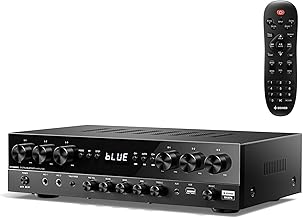
Donner Stereo Receivers
Why We Love It

Marantz Stereo 70s 2-Channel A/V Receiver with 8K
Why We Love It

Donner Stereo Audio Amplifier
Why We Love It

Bluetooth 5.0 Audio Power Amplifier
Why We Love It
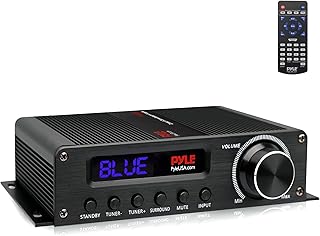
Pyle Stereo Amplifier
Why We Love It
Quick Pick
10 Best 2 Channel Home Stereo Receivers Of 2026
Quick Pick
Fosi Audio BT10A Bluetooth 5.0 Amplifier Stereo Power Amplifier, 2 Channel Class D Mini Hi-Fi Integrated TPA3116 Audio Amp, for Home Speakers 50W x 2, with 19V 4.74A UK Power Supply
Donner Stereo Receivers Home Audio Amplifier, Premium 1000W Max Power 4 Channel Amplifier with Bluetooth 5.3, USB, FM, 2 Mic-in, Echo, RCA, Fiber/Coaxial Input for Home, Karaoke, Theater Speakers
Fosi Audio TB10A 2 Channel Stereo Audio Amplifier Receiver, Mini Hi-Fi Class D Integrated TPA3116 Amp for Speakers 100W x 2, with Bass and Treble Control (with 24V UK Power Supply)
AF-WAN Durable Fabric Water Resistant Nylon Stereo Receiver Dust Cover for Sony STRDH190 2 Channel Home Stereo Receiver/Sony STRDH590 5.2 Channel Home Theater Receiver/Onkyo TX-8220 Stereo Receiver
Fosi Audio BT20A Bluetooth Amplifier for Speakers, Mini Stereo 2 Channel Amp Class D, with TPA3116 Chips 100W x 2 and Bass Treble Controls, for Home Audio Outdoor Passive Desktop Bookshelf Speakers
Donner Stereo Receivers, Premium 1000W Peak Power 6 Channel Audio Amplifier with Bluetooth 5.3, USB, FM, 2 Mic-in, Echo, RCA, Fiber/Coaxial Input for Home, Karaoke, Theater Speakers, MAMP6
Marantz Stereo 70s 2-Channel A/V Receiver with 8K, Streaming HEOS Built-in, Phono and FM/Dab+ Radio - Silver
Donner Stereo Audio Amplifier, 600W Peak 2 Channel Receiver with Bluetooth 5.3, Phono, Optical, Coaxial, USB, FM, 2 Mic-in, Aux, RCA Input for Home, Karaoke, Theater Speakers, MAMP2
Bluetooth 5.0 Audio Power Amplifier, Donner Peak power 440 W Hi-Fi Wireless Power Amp 4 channel Desktop Amp with USB, SD,FM, 2 Mic IN Echo, RCA, LED, Speaker Selector for Studio, Home Speakers-MAMP5
Pyle Stereo Amplifier - 100W Bluetooth Home Audio Receiver with 5.1 Channel, Perfect for Home Theater, Studio, Office, w/HDMI ARC, AUX, FM Antenna, Subwoofer Speaker Input, 12V Adapter
Buying Guide: 2 Channel Home Stereo Receivers
📋 Table of Contents
1What power output (watts) should I look for in a 2-channel home stereo receiver?
Aim for at least 40-50W per channel for small to medium rooms, and 70-100W per channel for larger spaces or high-volume listening. More power ensures cleaner sound at louder levels and better control over dynamic music passages.
2Does the number of preamp outputs matter for my setup?
Yes — if you plan to add a subwoofer or use multiple source components, look for at least two preamp outputs. This allows for flexible expansion without overloading the main amplifier section or requiring external switching devices.
3What is the difference between analog and digital inputs, and which do I need?
Analog inputs (RCA) are best for turntables or older devices, while digital inputs (optical or coaxial) preserve higher resolution from modern sources like CD players or DACs. Choose based on your current and future audio gear to avoid compatibility issues.
4Is a phono preamp necessary if I use a turntable?
Yes — most 2-channel receivers don’t include a built-in phono preamp, so you’ll need one to amplify the low signal from a turntable. Check if your model has a dedicated phono input or if you must add an external preamp for vinyl playback.
5What speaker impedance should the receiver support?
Look for a receiver that supports 4-8 ohms to work with most bookshelf or floor-standing speakers. Lower impedance (4 ohms) allows for more power delivery, but ensure the receiver is stable at that level to avoid overheating or distortion.
How we choose
Our editors are people who genuinely love testing and writing about products. We compare each product's real-world usability and strengths, then distill what matters most into our own "Why We Love It" points — so you get an honest, at-a-glance sense of what counts before you buy.