10 Best 18cm Santoku Knives Of 2026
18cm Santoku Knives — Reviews, Recommendations & Updated Buying Guide November 2026


Tramontina SOLUTTA Santoku Knife 18 cm
Why We Love It


Zwilling 30748-180 Twin Polx Santoku Knife
Why We Love It

Royalford 7 Inch Stainless Steel Santoku Knife RF13327 Stain
Why We Love It

Santoku Damascus Knife 18 cm Professional Chef's Knife 67
Why We Love It

UMAI Santoku Knife 18 cm (7")
Why We Love It

Zyliss Comfort Pro Santoku Knife (18cm)
Why We Love It

Santoku Knife 18 cm German Stainless Steel Sushi Knife
Why We Love It

ZWILLING Miyabi Santoku Knife
Why We Love It
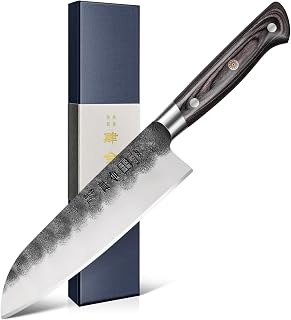
Kanngou 18cm Japanese Santoku Knife
Why We Love It

B&S Menorca Santoku Knife 18cm
Why We Love It
Quick Pick
10 Best 18cm Santoku Knives Of 2026
Quick Pick
Tramontina SOLUTTA Santoku Knife 18 cm, Stainless Steel Chef's Knife, Serrated Cut, Dishwasher Safe, NSF Certified, 10 Year Warranty
Zwilling 30748-180 Twin Polx Santoku Knife, 7.1 inches (180 mm), Made in Japan, Stainless Steel, Dishwasher Safe, Seki City, Gifu Prefecture
Royalford 7 Inch Stainless Steel Santoku Knife RF13327 Stain Resistant Dishwasher Safe Rust Proof Professional Kitchen Knife 18cm Blade
Santoku Damascus Knife 18 cm Professional Chef's Knife 67 Layers VG10 Steel | Hand-forged blade, real damask pattern, G-10 handle, Japanese chef's knife, extremely sharp, test "very good"
UMAI Santoku Knife 18 cm (7") – Japanese Kitchen Knife Made of 7Cr17MoV Stainless Steel with Damascus Pattern – Ergonomic Pakka Wood Handle, Knife with Perforated Back – Includes Protective Case
Zyliss Comfort Pro Santoku Knife (18cm)
Santoku Knife 18 cm German Stainless Steel Sushi Knife Chef's Knife Professional Knife with Finger Guard and Knife Sharpener in Gift Box
ZWILLING Miyabi Santoku Knife, Brown/Silver, 18 cm, My-34374-181
kanngou 18cm Japanese Santoku Knife, AUS-8 Alloy Steel Chefs Knife with Full-Tang Black Pakkawood Handle, 7 Inch Japanese Kitchen Knife with Premium Gift Box (Black Forged Series)
B&S Menorca Santoku Knife 18cm – Stainless Steel Japanese-Style Chef Knife with Ergonomic Handle for Slicing, Dicing & Chopping – Kitchen Essential
Buying Guide: 18cm Santoku Knives
📋 Table of Contents
1What blade steel should I look for in an 18cm santoku knife?
Opt for high-carbon stainless steel like 154CM or VG10 for excellent edge retention and corrosion resistance. These steels balance hardness and toughness, making them ideal for the santoku’s precision tasks like slicing vegetables and fish. Avoid lower-grade stainless steel, which dulls quickly and lacks durability.
2How does the weight of an 18cm santoku affect its performance?
A well-balanced santoku typically weighs between 150-200g, ensuring control and reducing hand fatigue during extended use. Heavier knives can feel cumbersome for delicate tasks, while lighter ones may lack the heft needed for tougher cuts like bone or thick vegetables. Look for a center of gravity near the handle for optimal balance.
3What is the ideal handle material for an 18cm santoku knife?
Fiberglass-reinforced polymer (FRP) or synthetic materials like G10 offer a secure, non-slip grip and are resistant to moisture and temperature changes. Wooden handles provide a traditional feel but require more maintenance. Choose a handle that fits comfortably in your hand and complements your cutting style.
4Should I prioritize a full tang or partial tang in an 18cm santoku?
A full tang construction, where the blade extends through the entire handle, offers superior strength and balance, making it better for heavy-duty use. Partial tang knives are lighter but may flex under pressure, which can affect precision. Full tang is especially important for santokus used in professional or frequent home kitchens.
5What edge geometry is best suited for an 18cm santoku knife?
A convex or flat grind with a 15-20 degree angle is ideal for the santoku’s versatility in slicing, dicing, and mincing. A convex grind offers more durability and a sharper edge, while a flat grind provides a more uniform cutting surface. Avoid overly aggressive grinds that can lead to chipping or require frequent resharpening.
How we choose
Our editors are people who genuinely love testing and writing about products. We compare each product's real-world usability and strengths, then distill what matters most into our own "Why We Love It" points — so you get an honest, at-a-glance sense of what counts before you buy.