10 Best 180hz Qhd Tvs Of 2026
180hz Qhd Tvs — Reviews, Recommendations & Updated Buying Guide November 2026

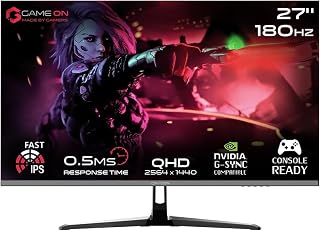
GAMEON GOPS27QHD180IPS 27 Inch Gaming Monitor QHD 2K 180Hz
Why We Love It


GAMEON GOAE24QHD180IPS 24 Inch Gaming Monitor QHD 2K 180Hz
Why We Love It

AOC 27" Smart Gaming Monitor QHD 180Hz VA Google TV USB-C
Why We Love It

LG 32" Ultragear QHD (2560x1440) Gaming Monitor
Why We Love It

LG UltraGear 32GS75Q-B 32" QHD 180Hz
Why We Love It

GAMEON GOA27QHD180IPS Arctic Pro-Series 27" White Gaming
Why We Love It

LG 27GS75Q-B UltraGear 27” QHD (2560×1440) IPS Gaming
Why We Love It

Devo 27" QHD Gaming Monitor
Why We Love It

KOORUI G3221SC 32 inch QHD gaming screen
Why We Love It

LG UltraGear 32G600A-B 31.5" Quad HD 180Hz FreeSync HDR10
Why We Love It
Quick Pick
10 Best 180hz Qhd Tvs Of 2026
Quick Pick
GAMEON GOPS27QHD180IPS 27 Inch Gaming Monitor QHD 2K 180Hz Fast IPS Computer Monitor, 0.5ms MPRT, HDMI 2.1, HDR, 99% sRGB, G-Sync & FreeSync Compatible, Built-in Speakers, PS5 & Console Ready, Black
GAMEON GOAE24QHD180IPS 24 Inch Gaming Monitor QHD 2K 180Hz Fast IPS Computer Monitor, 0.5ms MPRT, HDMI 2.1, HDR, 99% sRGB, G-Sync & FreeSync Compatible, Built-in Speakers, PS5 & Console Ready, Black
AOC 27" Smart Gaming Monitor QHD 180Hz VA Google TV USB-C 65W PD, Q27G4XY | 2560×1440 Computer Monitor, 1ms GtG, USB 3.2, DP 1.4, HDMI 2.0, Height Adjustable Stand, Built-in Speakers, VESA Mount
LG 32" Ultragear QHD (2560x1440) Gaming Monitor, 180Hz, 1ms, IPS, DisplayHDR 400, NVIDIA G-SYNC Compatible, AMD FreeSync, VESA Adaptive Sync, HDR10, Tilt/Height/Pivot Stand, HDMI, DisplayPort, Black
LG UltraGear 32GS75Q-B 32" QHD 180Hz, 1ms, FreeSync, IPS Gaming Monitor
GAMEON GOA27QHD180IPS Arctic Pro-Series 27" White Gaming Monitor, 2560x1440p 2K QHD, Fast IPS Panel, 180Hz, 0.3ms, HDMI 2.1, FreeSync & G-Sync, Crosshair Assistant, HDR, PS5, VRR Support
LG 27GS75Q-B UltraGear 27” QHD (2560×1440) IPS Gaming Monitor, 180Hz (O/C 200Hz), 1ms GtG, NVIDIA G-SYNC Compatible, AMD FreeSync, HDR10, DP/HDMI, Height/Tilt/Pivot Stand, Black
Devo 27" QHD Gaming Monitor | DQI27180 | Fast IPS | 2560×1440 | 180Hz | 0.5ms | HDR | FreeSync & G-SYNC | DisplayPort & HDMI | Adjustable Stand | VESA (Black)
KOORUI G3221SC 32 inch QHD gaming screen, 180Hz curved screen, VA panel 1500R, MPRT 1ms, 2560 x 1440, AdaptiveSync, HDMI/DP, eye protection, adjustable tilt
LG UltraGear 32G600A-B 31.5" Quad HD 180Hz FreeSync HDR10 Curved Gaming Monitor
Buying Guide: 180hz Qhd Tvs
📋 Table of Contents
1What resolution and refresh rate combination is best for gaming on an 180Hz QHD TV?
QHD (2560x1440) paired with 180Hz provides sharp visuals and smooth motion, ideal for fast-paced games. This combo offers a balance between 4K’s detail and 1080p’s performance, with lower input lag and higher frame rates than standard HD TVs.
2Does a higher refresh rate always mean better gaming performance?
Not necessarily — 180Hz is great for competitive gaming, but it depends on your console or PC’s ability to output that many frames. If your system can’t consistently hit 120fps or higher, a 120Hz TV may be more practical and cost-effective.
3What kind of panel technology should I look for in an 180Hz QHD TV?
Look for IPS panels for wider viewing angles and accurate colors, or VA panels for deeper blacks and better contrast. OLED is also an option, but it’s less common in 180Hz QHD models and typically more expensive.
4Are there any common mistakes buyers make when purchasing 180Hz QHD TVs?
Many overlook HDMI 2.1 support, which is essential for 4K 120Hz gaming and variable refresh rate (VRR). Also, some assume all 180Hz TVs have low input lag, but this varies by model and settings — check for 'Game Mode' and test it if possible.
5What size screen is best for an 180Hz QHD TV?
For gaming, 27 to 32 inches is ideal for QHD resolution, as larger screens may make pixels more visible. If you prioritize immersion, a 32-inch model with good upscaling and anti-aliasing can still deliver a crisp experience without pixelation.
How we choose
Our editors are people who genuinely love testing and writing about products. We compare each product's real-world usability and strengths, then distill what matters most into our own "Why We Love It" points — so you get an honest, at-a-glance sense of what counts before you buy.