10 Best 18 Ltr Parts Washer Of 2026
18 Ltr Parts Washer — Reviews, Recommendations & Updated Buying Guide November 2026


10pcs 10 X 18 X 1mm Copper Tone Engine Oil Crush Flat Washer
Why We Love It


Marine Engine Copper Washer
Why We Love It

Laser Connect Workshop Consumables 36800.0 Sump Plug
Why We Love It
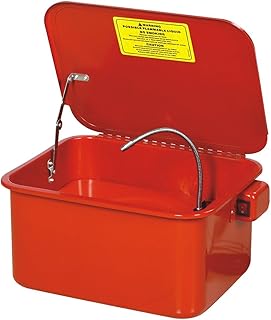
Hilka 84995505 Bench Parts Washer
Why We Love It
Quick Pick
10 Best 18 Ltr Parts Washer Of 2026
Quick Pick
10pcs 10 X 18 X 1mm Copper Tone Engine Oil Crush Flat Washer Gaskets Automotive Parts
Marine Engine Copper Washer, Part Number21108673
Laser Connect Workshop Consumables 36800.0 Sump Plug Crushable Washer, 18 x 24 x 2 mm, Set of 10
Hilka 84995505 Bench Parts Washer
Buying Guide: 18 Ltr Parts Washer
📋 Table of Contents
1What pressure range is ideal for an 18 ltr parts washer?
Look for 1000–1500 psi for most mechanical and industrial parts cleaning. Higher pressure (up to 2000 psi) is better for heavy grease or oil, but may wear delicate components. Match pressure to the materials you're cleaning to avoid damage.
2How important is tank size for an 18 ltr parts washer?
An 18-liter tank is great for mid-sized shops, offering enough water for 10–15 minutes of continuous use. If you clean large or multiple parts at once, consider a model with a larger tank or a water recycling system to reduce downtime.
3Should I prioritize electric or gas-powered models for an 18 ltr parts washer?
Electric models are quieter, more energy-efficient, and easier to maintain, making them ideal for indoor use. Gas-powered units offer more power and portability for outdoor or remote jobs but require more maintenance and fuel storage.
4What nozzle types are most useful for parts cleaning?
A 0° nozzle delivers high-pressure jets for tough grime, while 15° and 25° nozzles spread the stream for broader coverage. A fan nozzle (40°) is best for rinsing. Look for a washer that includes multiple nozzles for different cleaning tasks.
5What maintenance should I expect with an 18 ltr parts washer?
Regularly check and replace seals, filters, and the pressure pump to avoid leaks and wear. Drain the tank after each use to prevent sediment buildup. Annual professional servicing is recommended for long-term reliability and safety.
How we choose
Our editors are people who genuinely love testing and writing about products. We compare each product's real-world usability and strengths, then distill what matters most into our own "Why We Love It" points — so you get an honest, at-a-glance sense of what counts before you buy.