10 Best 1.5v Rechargeable Batteries Of 2026
1.5v Rechargeable Batteries — Reviews, Recommendations & Updated Buying Guide November 2026

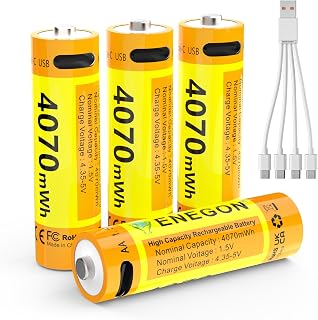
ENEGON USB-C AA Batteries 4070mWh Rechargeable (4-Pack)
Why We Love It


ENEGON Rechargeable AA Batteries
Why We Love It

ENEGON Rechargeable C Batteries 1.5V 7200mWh
Why We Love It

ENEGON USB-C Rechargeable AAA Batteries 1100mWh (4-Pack)
Why We Love It

Rechargeable Battery AA With Charger Lithium
Why We Love It

ENEGON 4 Pack D Batteries 9250mWh Rechargeable Lithium-ion D
Why We Love It

Rechargeable AA Batteries
Why We Love It

Rafeed Rechargeable Battery AA Lithium-Ion 1700mAh
Why We Love It

AKTTKA Rechargeable C Batteries 1.5V 7400mWh
Why We Love It

Rechargeable AAA Batteries
Why We Love It
Quick Pick
10 Best 1.5v Rechargeable Batteries Of 2026
Quick Pick
ENEGON USB-C AA Batteries 4070mWh Rechargeable (4-Pack) - No Extra Charger, 1.5H Full Charge, 1.5V for High-Drain Devices
ENEGON Rechargeable AA Batteries, 8 Pack 4070mWh 1.5V Constant Voltage Lithium Batteries, Type-C Direct Fast Charge, 500+ Cycles, Built-in Safety Chip, for Toys, Remotes, Flashlights
ENEGON Rechargeable C Batteries 1.5V 7200mWh, High Capacity C Lithium Battery with Type C Charging Cable, Low Self-Discharge, Rechargeable Type C / R14 / LR14 Batteries (4 pack)
ENEGON USB-C Rechargeable AAA Batteries 1100mWh (4-Pack) - 1.5-2H Fast Charge, 1.5V Stable Output for High-Drain Devices, No Extra Charger Needed
Rechargeable Battery AA With Charger Lithium, 3500mWh 1.5V 4 Pack | 1500 cycles, 2H fast charging, Constant 1.5V output, LCD Charger, For Remote Controls, Wall Clocks, Flashlights
ENEGON 4 Pack D Batteries 9250mWh Rechargeable Lithium-ion D Batteries 1.5V LR20 Battery with USB-C Cable for Floodlights, Camping Lights, Radios, High Capacity
Rechargeable AA Batteries, 8 Pack 4070mWh 1.5V Constant Voltage Lithium Batteries, Type-C Direct Fast Charge, 500+ Cycles, Built-in Safety Chip, for Toys, Remotes, Flashlights
Rafeed Rechargeable Battery AA Lithium-Ion 1700mAh,2600mWh, Set of 2 Batteries with USB Type-C Charging Cable, Fast Charge 1.5-2H, 1000+ Cycle, 1.5V, Long-Lasting Power, 1 Year Warranty.
AKTTKA Rechargeable C Batteries 1.5V 7400mWh, High Capacity C Lithium Battery with Type C Charging Cable, Low Self-Discharge, Rechargeable Type C / R14 / LR14 Batteries (4 pack) LED Display
Rechargeable AAA Batteries, 8 Pack 1100mWh 1.5V Constant Voltage Lithium Batteries, Type-C Direct Fast Charge, 500+ Cycles,Built-inSafetyChip, for Toys, Remotes, Flashlights & More
Buying Guide: 1.5v Rechargeable Batteries
📋 Table of Contents
1What capacity (mAh) should I look for in a 1.5V rechargeable battery?
For most low-drain devices like remote controls or wall clocks, 800–1200 mAh is sufficient. For higher-drain devices like digital cameras or toys, aim for 1500–2000 mAh to avoid frequent recharging and maintain performance.
2Are NiMH or NiZn batteries better for 1.5V devices?
NiMH (nickel-metal hydride) is the most common and cost-effective option, with a 1.2V nominal voltage that still works well in 1.5V devices. NiZn (nickel-zinc) offers higher voltage (1.6V) but is less common and more expensive, and may not be compatible with all devices.
3How many charge cycles can I expect from a 1.5V rechargeable battery?
High-quality AA or AAA NiMH batteries typically last 500–1000 charge cycles, depending on usage and charging habits. Cheaper models may degrade faster, so look for reputable brands with low self-discharge for longer life.
4What’s the difference between low-drain and high-drain batteries?
Low-drain batteries are designed for devices that use little power over time, like flashlights or remotes. High-drain batteries are optimized for devices that use power quickly, like cameras or gaming controllers, and often have higher capacity and better performance under load.
5Should I buy pre-charged (ready-to-use) or regular 1.5V rechargeable batteries?
Pre-charged (eneloop or similar) batteries are convenient for immediate use but lose charge over time if unused. Regular batteries require a full initial charge but can be more cost-effective in the long run if you recharge them frequently.
How we choose
Our editors are people who genuinely love testing and writing about products. We compare each product's real-world usability and strengths, then distill what matters most into our own "Why We Love It" points — so you get an honest, at-a-glance sense of what counts before you buy.